Why trust in AI is hard to earn and easy to lose
Trust, it is often said, is earned in drops but lost in buckets. When it comes to realising the potential of artificial intelligence , trust is arguably as important as computing power or economic returns. Just how much ordinary people are willing to trust this technology is a critical question – and one that is difficult to answer quantifiably. Nevertheless, it is a pertinent question for the…
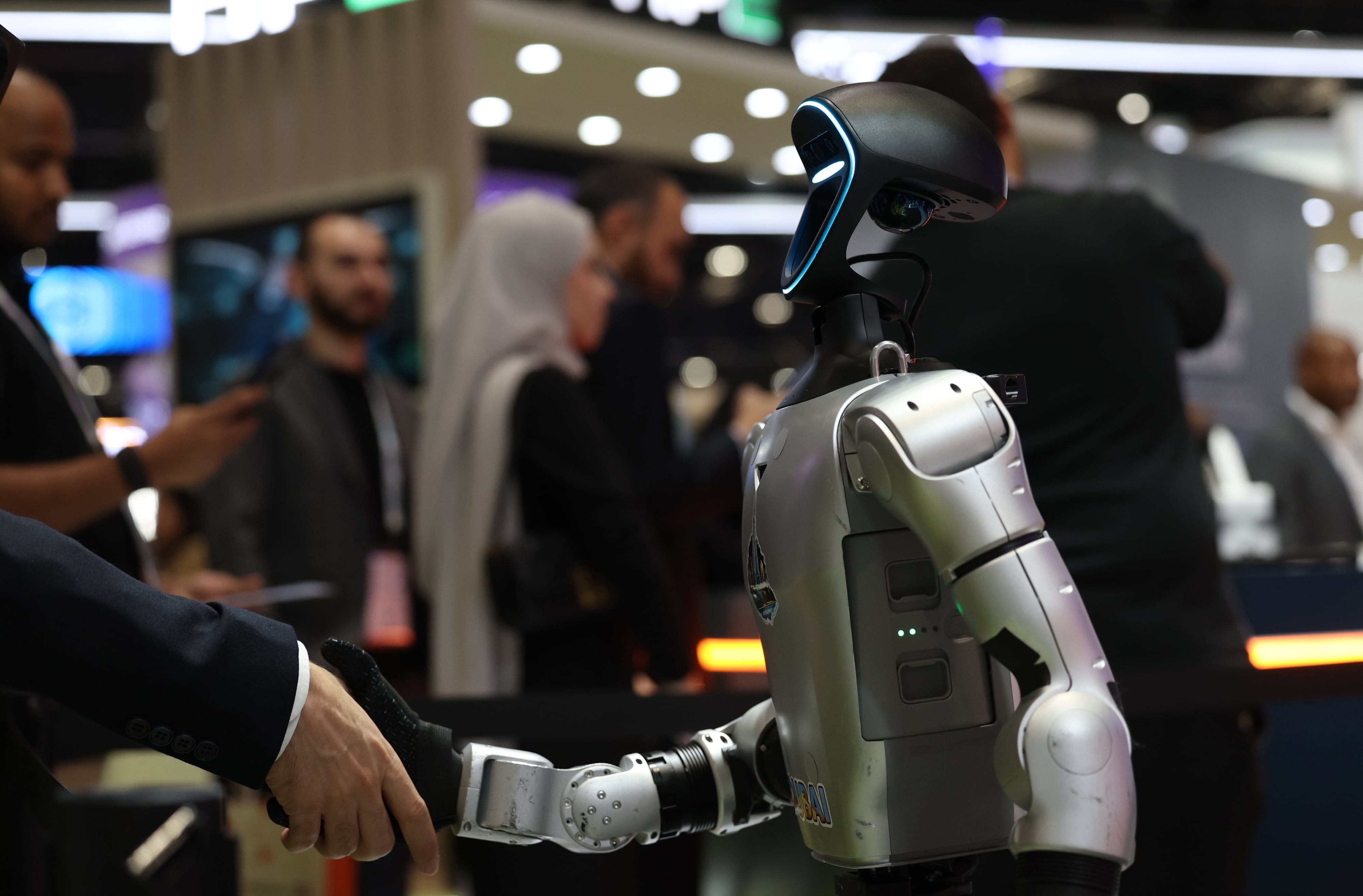
Trust is a valued commodity that is built gradually but can be lost quickly. Artificial intelligence (AI) and its potential to revolutionize industries hinge on the public's trust in the technology. It is a question of paramount importance, especially for the United Arab Emirates (UAE), which has placed itself at the forefront of AI development.
Dubai's recent announcement of a $1 million prize for meaningful AI innovation underscores the country's commitment to the technology. However, AI's success will not merely depend on its technical prowess. Minister of State for Artificial Intelligence, Omar Al Olama, emphasized during the Annual Meeting of Global Future Leaders in Dubai that AI must first earn trust before being entrusted with broader decision-making responsibilities.
The potential economic benefits of AI are substantial. Research presented at the WEF gathering suggests that AI could unlock more than $1 trillion in value across the Middle East and North Africa by 2030. This presents an opportunity for a region eager to diversify its economy. Nevertheless, these projections should not overshadow some crucial considerations, primarily the human factor.
An AI system that enhances productivity is valuable. However, if people are unable to trust AI with their personal data, finances, or significant decisions, its success will be limited. Trust must be earned through clear accountability and tangible safeguards. When mistakes occur, individuals need to know who is responsible and how errors will be rectified. This becomes increasingly important as AI systems are granted greater authority.
The UAE's early investment and experimentation in AI make it a significant player in this emerging industry. However, the next step is equally important – ensuring that governance keeps pace with technological advancements. While AI has the potential to transform the Middle East's economy and prepare it for a rapidly changing world, its lasting value will depend on its ability to improve people's lives without compromising their trust in the technology. Ultimately, success will belong to those who consistently demonstrate why people should trust AI.
Written by urgent.news from The National Business's reporting — not their text. Machine-written — may contain errors; check the original before relying on it.
Also reported by 1 other outlet
- Why trust in AI is hard to earn and easy to lose thenationalnews.com