This startup is turning fallen leaves into biodegradable plastic
First-generation bioplastics were made from food crops like corn and sugar. A new biomaterials startup is using something very different: the autumn leaves collected by cities each fall. The startup, Perennial Polymers , extracts the natural polymers in leaves—lignin and cellulose—to make plastic that can easily break down. It’s an approach that can ultimately be less expensive than making other…
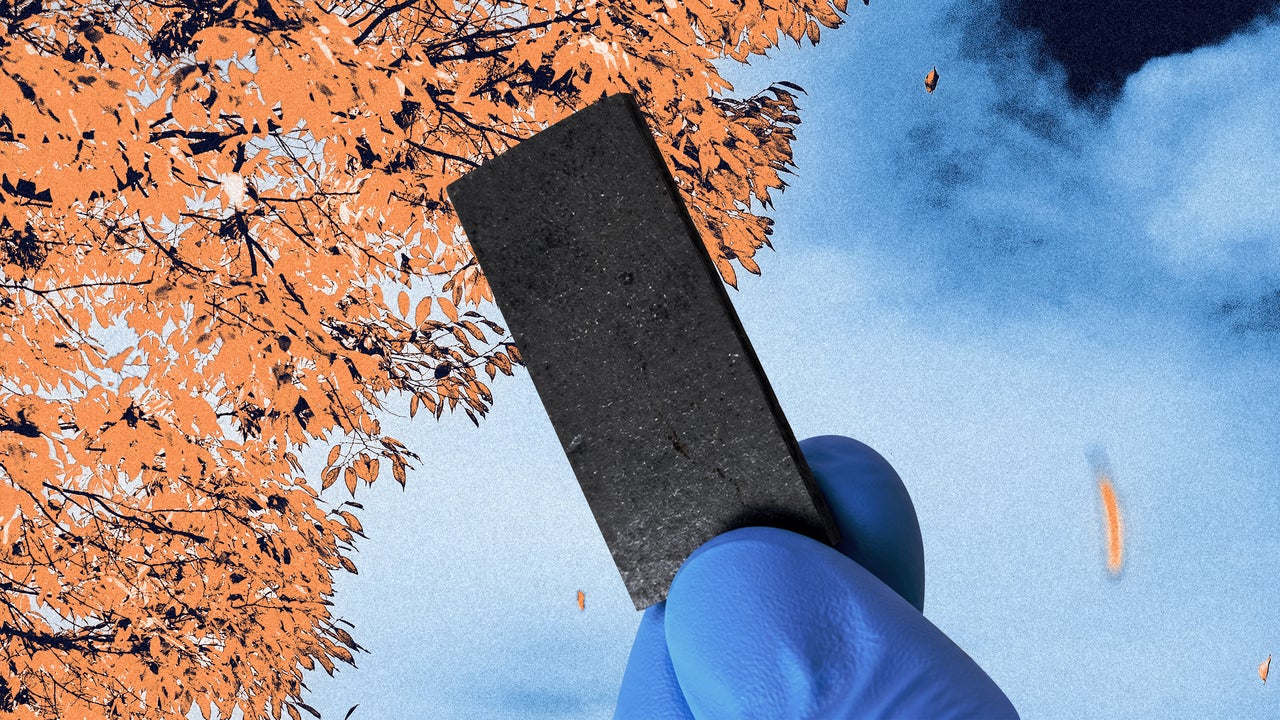
A new biomaterials startup called Perennial Polymers is transforming fallen leaves into biodegradable plastic. Instead of using food crops like corn and sugar, the company extracts natural polymers found in leaves, such as lignin and cellulose, to create plastic that easily decomposes. Founder Nathan Noyes explains that this approach could be more cost-effective than making other bioplastics, as it does not rely on agricultural feedstock or the expensive fermentation process.
Perennial focuses on urban leaves, which do not require any agricultural land to grow and already have collection infrastructure in place. The startup, based in Delaware, developed its new material this summer and filed provisional patents. Their formulation includes not only lignin and cellulose, but also minerals from leaves to enhance the bioplastic's strength.
The production process is designed to be low-cost, both due to the inexpensive feedstock and the absence of fermentation. The plastic can be utilized in existing industrial equipment to manufacture products. One potential application is for "mulch" on farms, which helps increase yields while reducing microplastic waste in soil. Perennial's material can degrade in soil over two to three months, similar to natural leaf decomposition.
The company plans to partner with large cities like New York, which collect thousands of tons of leaves each fall. These leaves are often composted, but a significant portion ends up in landfills where they cannot break down easily. Perennial aims to tap into existing urban leaf collection systems and is already working on a municipal partnership.
Other natural materials, such as forestry industry waste, could also be used to create the plastic. The startup is scaling up to start testing its material with customers and aims to commercialize the bioplastic in 2027.
Written by urgent.news from Fast Company's reporting — not their text. Machine-written — may contain errors; check the original before relying on it.