The Kigali Amendment at 10: Why India’s cooling choices matter
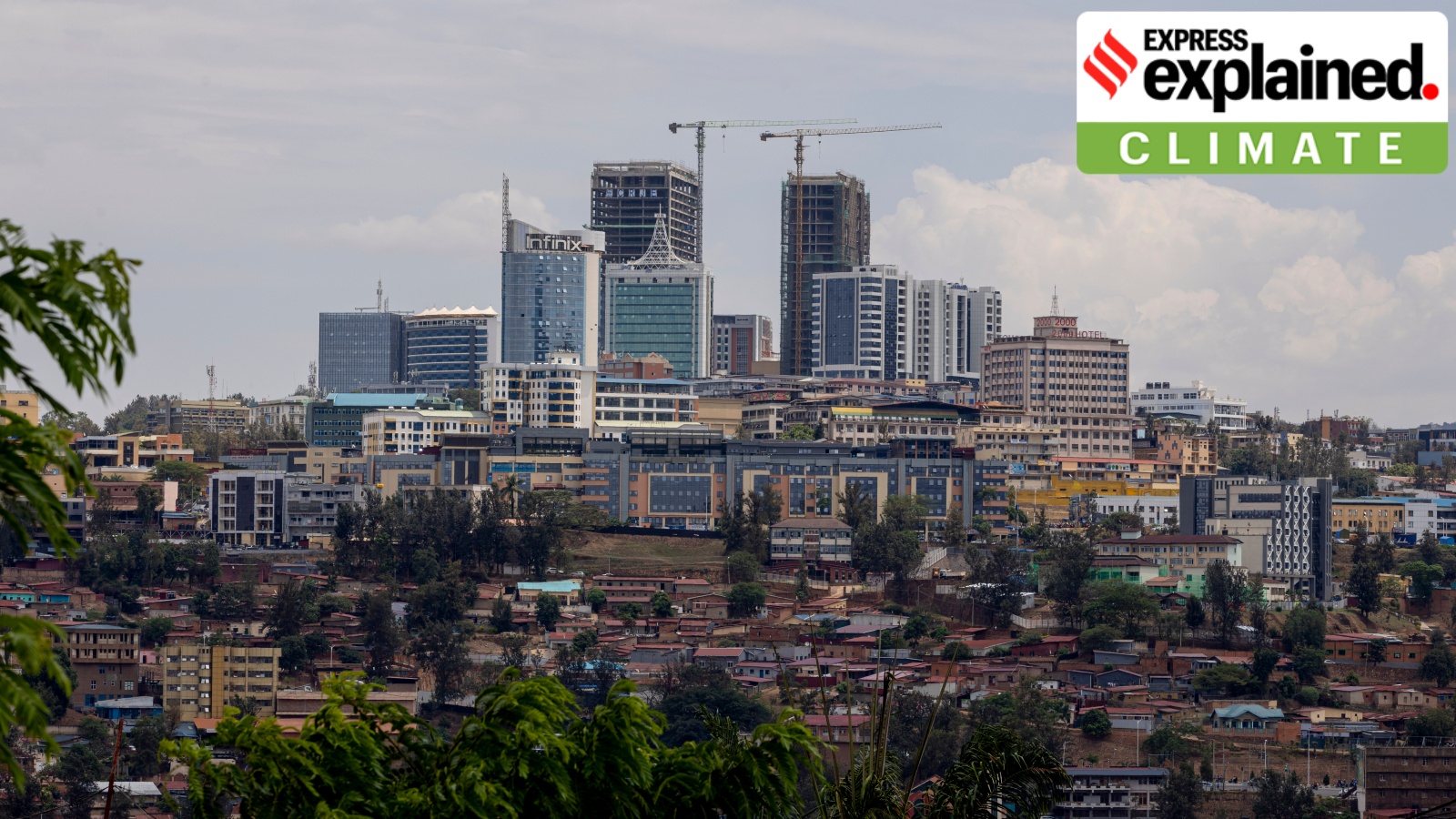
The Kigali Amendment, a part of the Montreal Protocol, will soon turn 10. Its main aim is to phase down hydrofluorocarbons (HFCs), which were commonly used as refrigerants after CFCs were phased out. The amendment is expected to prevent around 0.5°C of warming by 2100. However, at its 10th anniversary, global warming is progressing, and cooling demand is rapidly increasing. India, in particular, faces significant challenges due to the scale of its cooling sector.
The Kigali Amendment was established to replace ozone-depleting substances, like CFCs, with HFCs. While HFCs do not damage the ozone layer, they have a high warming potential. Therefore, the amendment sets schedules for reducing HFC production and consumption. Developing countries have a longer time to comply, hence the term 'phase-down'.
The mitigation of climate change through cooling is a crucial aspect of Kigali's future. Cooling contributes to warming in two ways: through the escape of refrigerants into the atmosphere and the use of electricity, which often comes from burning fossil fuels. By switching to low-warming potential refrigerants, the first problem can be addressed.
Additionally, improving the efficiency of cooling machines reduces electricity consumption. According to estimates by the UN Environment Programme and the International Energy Agency, combining HFC phase-down with better cooling efficiency could potentially double the climate benefit.
In India, where cooling already accounts for over a tenth of annual electricity demand, substantial energy savings could be achieved. However, India's cooling demand is projected to double by 2035 under current policies.
India ratified the Kigali Amendment in 2021. It must freeze HFC production and consumption by 2028, with a gradual reduction reaching 85% by 2047. The efficiency of appliances bought before these reduction dates will determine the electricity consumption and additional generating capacity needed. This provides India with an incentive to improve appliance standards before the treaty's deadlines.
Despite the amendment's progress, it has not achieved universal participation. Currently, 175 parties are involved. Moreover, gases already inside equipment can leak during servicing or escape when an appliance is disposed of. Recovering and safely disposing of these refrigerants can help reduce emissions that would otherwise be prevented by restrictions on new production. A coalition of countries is working to support this recovery process and provide financing for implementation.
Written by urgent.news from The Indian Express's reporting — not their text. Machine-written — may contain errors; check the original before relying on it.