The Diesel Crunch Will Persist Well into 2027
The recent rise in crude oil flows out of the Strait of Hormuz isn’t solving the world’s most pressing fuel problem—the diesel crunch and record diesel prices that start to feed into the wider economy. While Middle East crude oil flows are nearing pre-war levels, global diesel supply is much lower due to refinery constraints in the Middle East and Russia that the rest of the world cannot offset.…
The diesel crunch is expected to persist well into 2027, according to the International Energy Agency's (IEA) latest report. The issue stems from refinery constraints in the Middle East and Russia, which are unable to offset the lower global diesel supply resulting from reduced Middle East crude oil flows. Record diesel prices began to impact the wider economy as markets realized crude oil supply does not equal refined product supply.
While a proposed 100 million barrels of oil release by the G7 and a controversial Trump-Putin deal for U.S. purchases of Russian diesel have been discussed, they are unlikely to ease the problem before the U.S. midterm elections on November 3. The IEA stated that global diesel and gasoil markets tightened in Q3 2026 due to refinery disruptions in the Middle East and Russia, combined with heavy inventory declines.
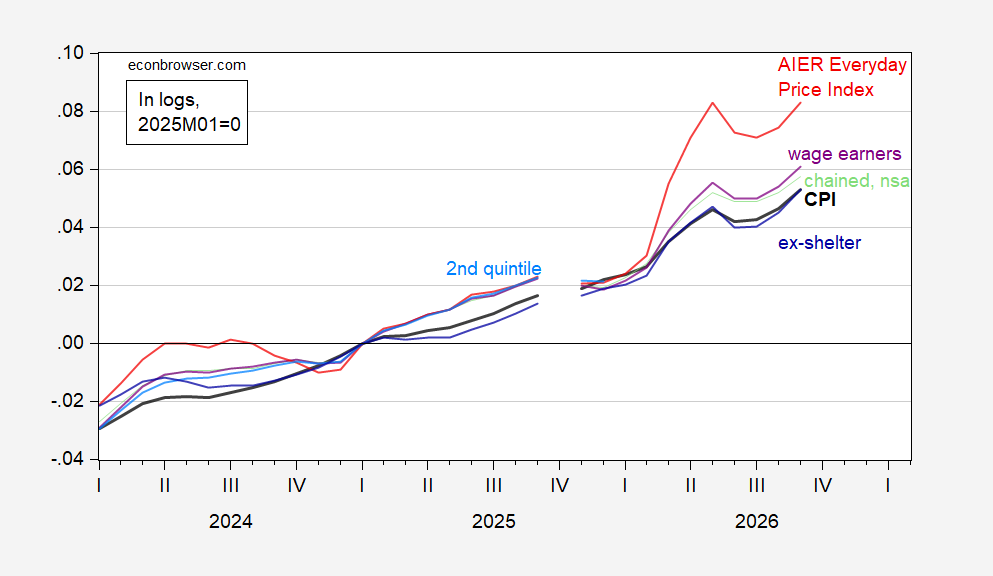
Even if refinery throughput improves, diesel supply is projected to fall short of demand in Q4 2026 and 2027, indicating that inventories won't be replenished outside of normal seasonal fluctuations until the second half of 2027. Record diesel prices have already had economic consequences, raising the cost of goods and impacting real incomes, inflation, and economic activity.
The IEA warned that diesel price shock is spreading from transport through supply chains, potentially affecting U.S. trucking costs and other freight-intensive industries.
Written by urgent.news from OilPrice's reporting — not their text. Machine-written — may contain errors; check the original before relying on it.