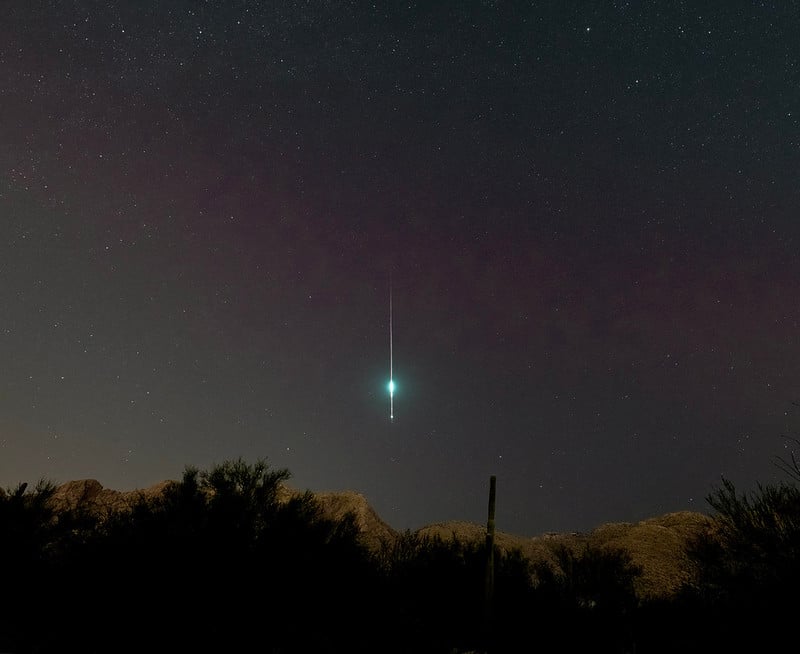
The ancient environmental archive hidden beneath a northern bog
I need to move on and find my field plots, but pausing here has caused my feet to sink. They are now completely buried by peat; only my shins remain visible. I shift my weight from side to side and point my toes to break the suction, releasing a loud squelching retort and sending tiny bubbles to the surface. Walking through boglands requires a marriage of physical and mental strength. My…
In a remote northern bog in Saskatchewan, a reporter ventures into the depths of a peatland to observe the ancient environmental archive concealed beneath. As the journalist walks through the soggy terrain, their boots sink deep into the soft ground, creating pools of cold water that rise over their footwear. The dense fog of mosquitoes and black flies hovers around, drowning out all other sounds.
The reporter learns to respect the bog, giving it the proper reverence it deserves while carefully navigating through the terrain. Over time, the reporter has observed the area for 20 years and has seen considerable changes. The climate is warmer and drier, and the surface peat has become denser and drier, with an abundance of crusty lichen and unhealthy, bleached sphagnum moss.
These alterations in plant species, surface elevation, and peat accumulation indicate the impact of climate change and human activity on peatlands. Peat accumulation is a slow process, taking place over millennia, with each layer representing a snapshot in time. By digging deep into the peat, the reporter can physically journey back in time, revealing the history of this ecosystem, from ancient prairies and tundra to the modern boreal forest.
Ultimately, this peatland serves as a testament to the fragility of these environments and the need to protect them for future generations.
Written by urgent.news from Big Think's reporting — not their text. Machine-written — may contain errors; check the original before relying on it.