SpaceX Dragon Docks with Science, Supplies, and Roll-Out Solar Arrays
At 11 a.m. EDT, the SpaceX Dragon spacecraft docked to the space-facing port of the International Space Station’s Harmony module, delivering more than 6,300 pounds of food, supplies, and equipment for the Expedition 75 crew. The post SpaceX Dragon Docks with Science, Supplies, and Roll-Out Solar Arrays appeared first on NASA Science .
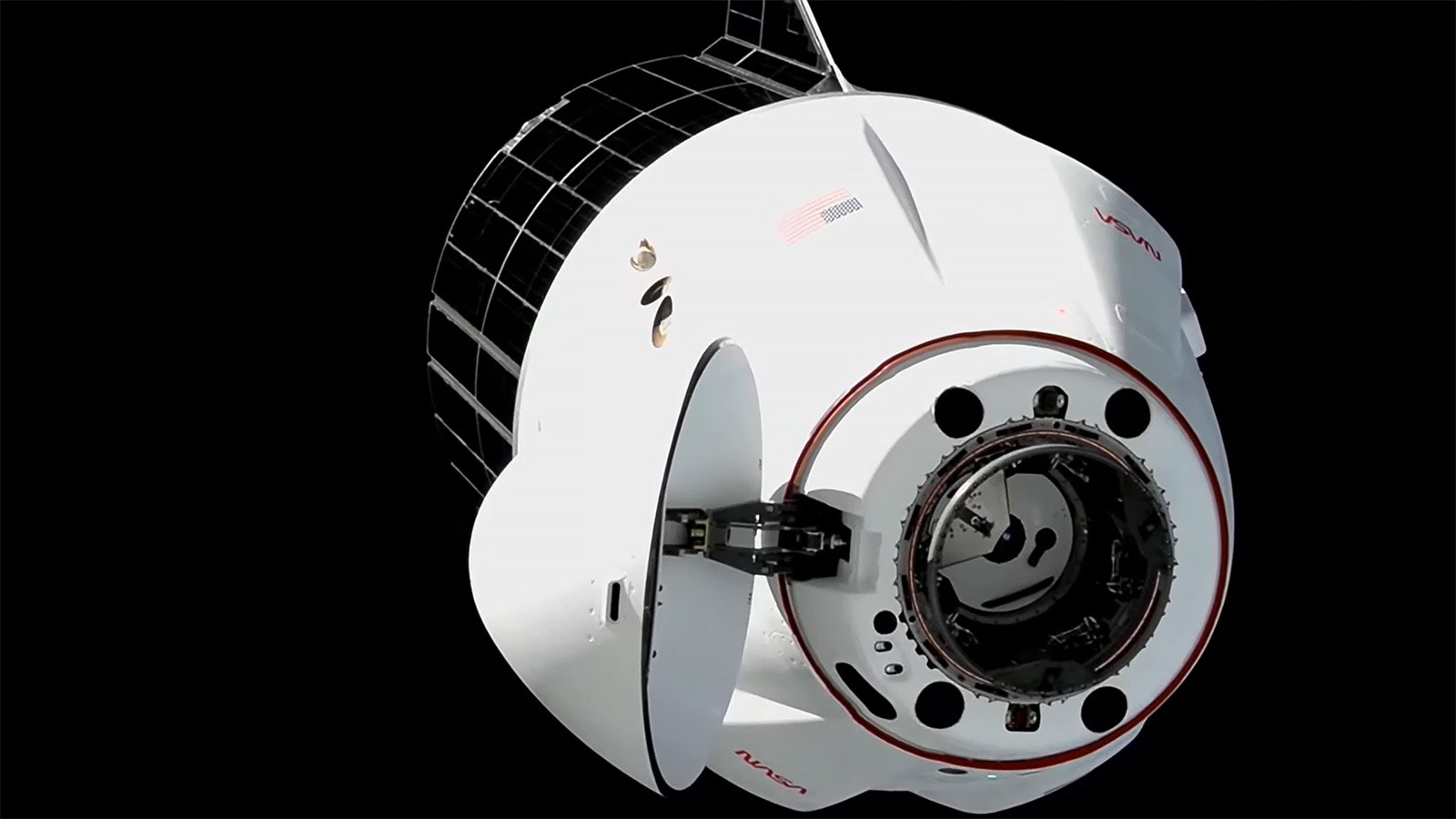
On October 15, 2026, a SpaceX Dragon spacecraft successfully docked with the International Space Station (ISS) at 10:27 a.m. EDT, connecting to the Harmony module's space-facing port. This marked SpaceX's 35th commercial resupply services mission to the ISS for NASA. The Dragon carried over 6,300 pounds of provisions, supplies, and equipment for the Expedition 75 crew.
Among the cargo were the final International Space Station Roll-Out Solar Arrays (IROSAs), which were set to be installed later in the fall. The spacecraft also transported advanced technology for medical research, including hardware for manufacturing artificial retinas in microgravity to aid vision restoration on Earth and 3D heart tissue models to enhance large-scale drug testing for future space missions.
The Dragon also carried materials for studying the formation of a new glass type in microgravity and brain organoids that could potentially reveal treatment targets for neurodegenerative diseases such as Alzheimer's, Parkinson's, and multiple sclerosis.
Scheduled to stay at the ISS until mid-November, the spacecraft would then depart, returning to Earth with time-sensitive research and cargo, and splash down off the coast of California. The launch of the mission took place on October 13, 2026, at 6:33 a.m. EDT from Space Launch Complex 40 at Cape Canaveral Space Force Station in Florida.
For updates on the station's activities, follow the space station blog, @space_station on X, as well as the ISS Facebook and ISS Instagram accounts. Detailed information about the mission can be found on NASA's website.
Written by urgent.news from NASA Science's reporting — not their text. Machine-written — may contain errors; check the original before relying on it.