Razer’s CEO waited 20 years for everyone to become a gamer. He says AI is finally making it happen
After going private in 2022, the gaming hardware maker is betting on AI companions, camera-equipped headsets, and game-testing tools.
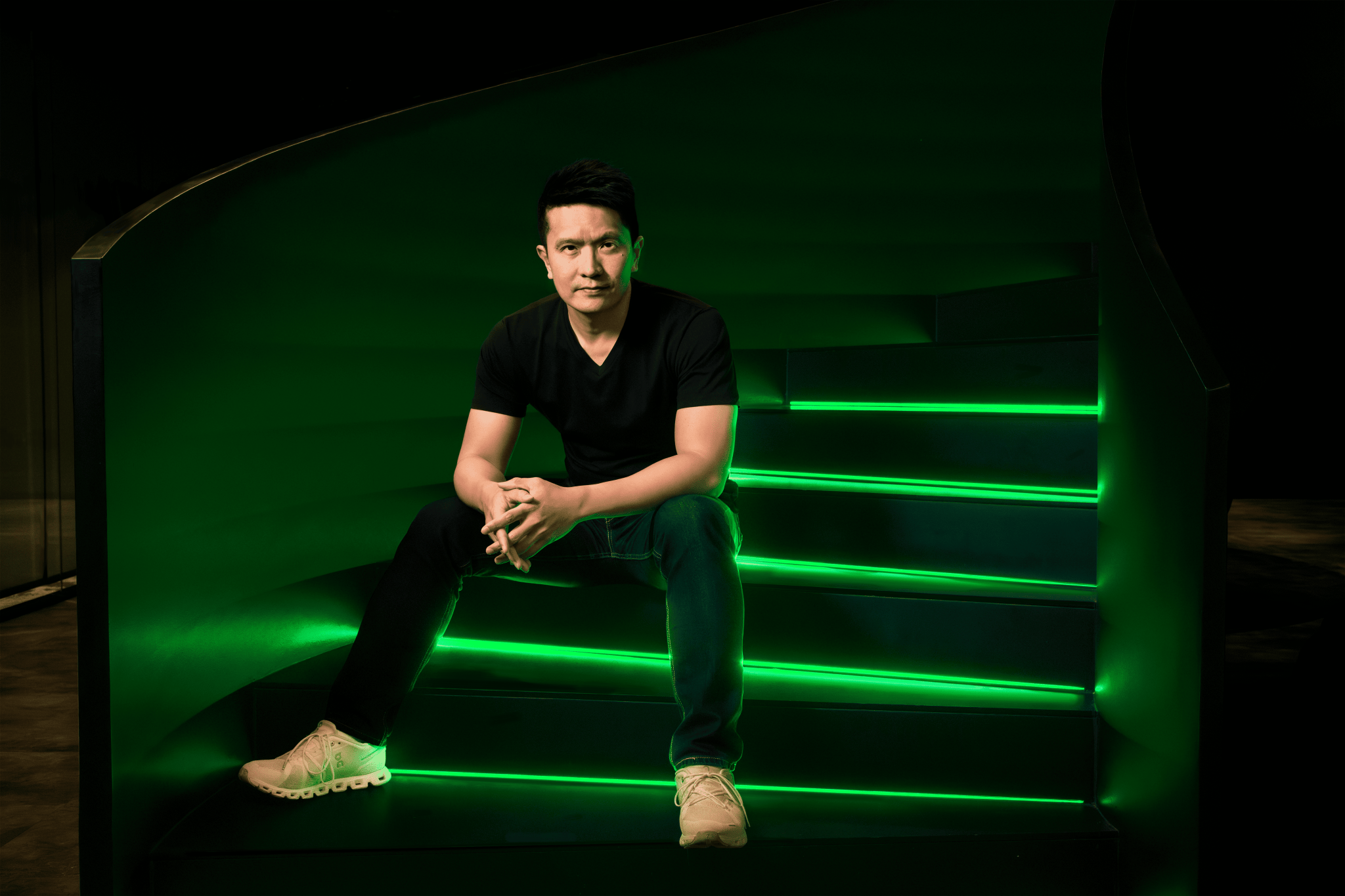
Razer's co-founder and CEO, Min-Liang Tan, has been advocating for the gaming industry's growth for two decades. He believes that artificial intelligence (AI) is the driving force that will propel gaming into a trillion-dollar industry. Tan, a former lawyer turned gaming hardware entrepreneur, founded Razer in 2005 alongside Robert Krakoff, who he met while gaming online. The company now employs over 1,500 people and generates substantial revenue, primarily in the United States and Europe.
With the integration of AI into Razer's portfolio, Tan envisions a future where AI will revolutionize gaming. Razer's AI-powered VR headset, Barracuda AI, and virtual avatars Sumi and Nico demonstrate the company's commitment to advancing gaming technology while prioritizing user privacy. Tan also sees AI's impact on game development, stating that it will enable creators to design games more easily and expand the size of virtual worlds.
Despite the potential benefits of AI in gaming, Tan acknowledges that the technology could exacerbate the issue of shovelware—low-quality games released with minimal effort. The rise of generative AI has led to an eightfold increase in AI-disclosed games on Steam, raising concerns about the quality and profitability of these titles.
Rewritten by urgent.news; may contain errors — check the original.
Source: fortune.com