Puberty may mark a turning point for sex differences in the brain’s emotion and memory centers
Brain scans of more than 1,600 young people suggest that the fine-grained tissue structure of the amygdala, hippocampus, and other deep brain regions is similar in boys and girls at ages 9 to 12, but begins to diverge during adolescence.
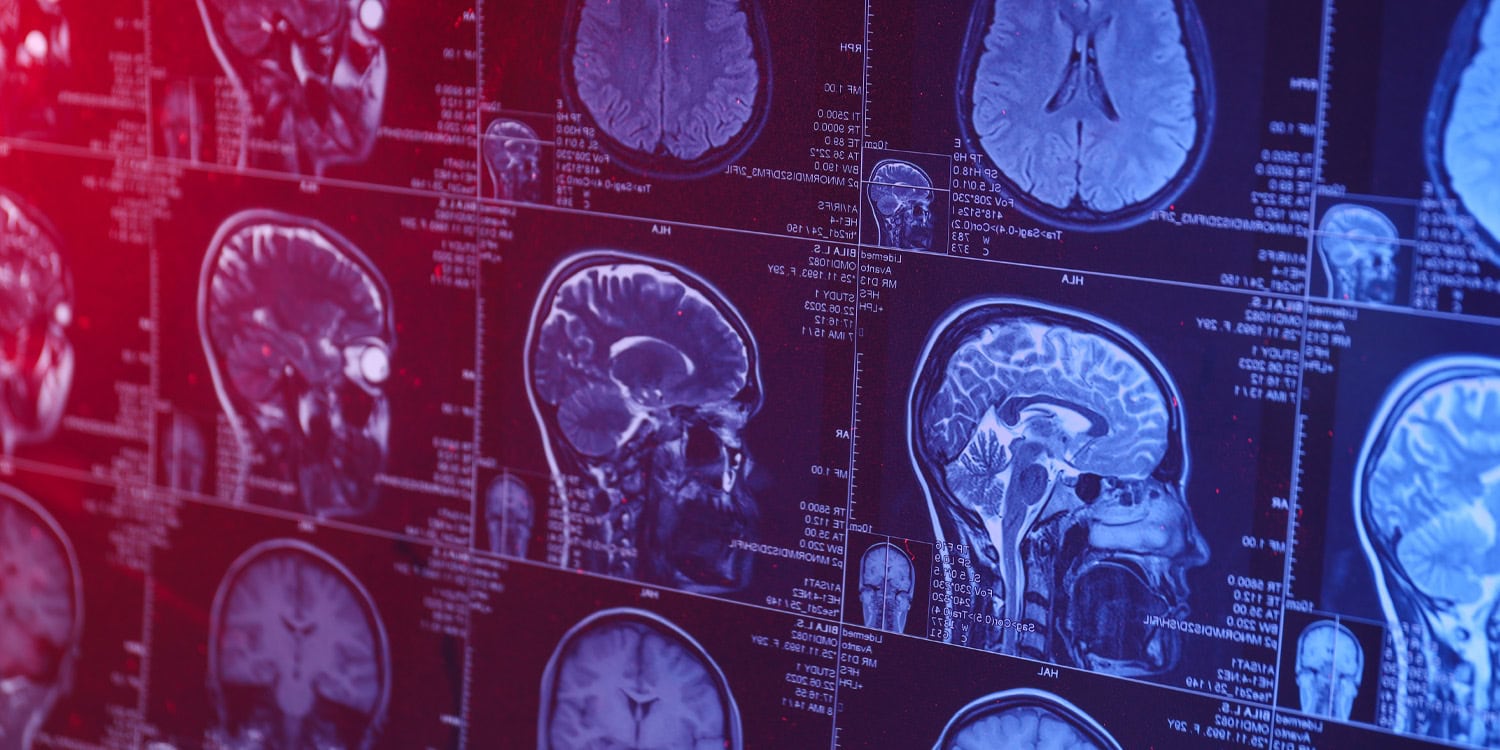
A new brain imaging study published in Developmental Cognitive Neuroscience reveals that subtle differences in the tissue structure of deep brain regions, including those involved in emotion and memory regulation, emerge and become more pronounced during adolescence, coinciding with puberty. The study, led by researchers from The Hospital for Sick Children and the University of Canterbury, examined brain scan data from 1,643 individuals aged 9 to 35, drawing from two large public datasets.
The findings suggest that the onset of puberty and the subsequent hormonal changes may play a role in the development of sex differences in brain structure, which could contribute to the emergence of sex differences in conditions such as anxiety and depression. While the study did not determine the exact drivers of these brain changes, it highlights the importance of considering the timing of brain development in understanding sex differences in mental health conditions.
Brief written by urgent.news from PsyPost's own syndicated text. Machine-written — may contain errors; check the original before relying on it.