Pope walking and recovering ‘as expected’ after surgery, doctors say
Pope Leo XIV's recovery from surgery to remove a lower lobe of his lung is "progressing as expected", his doctors have said.
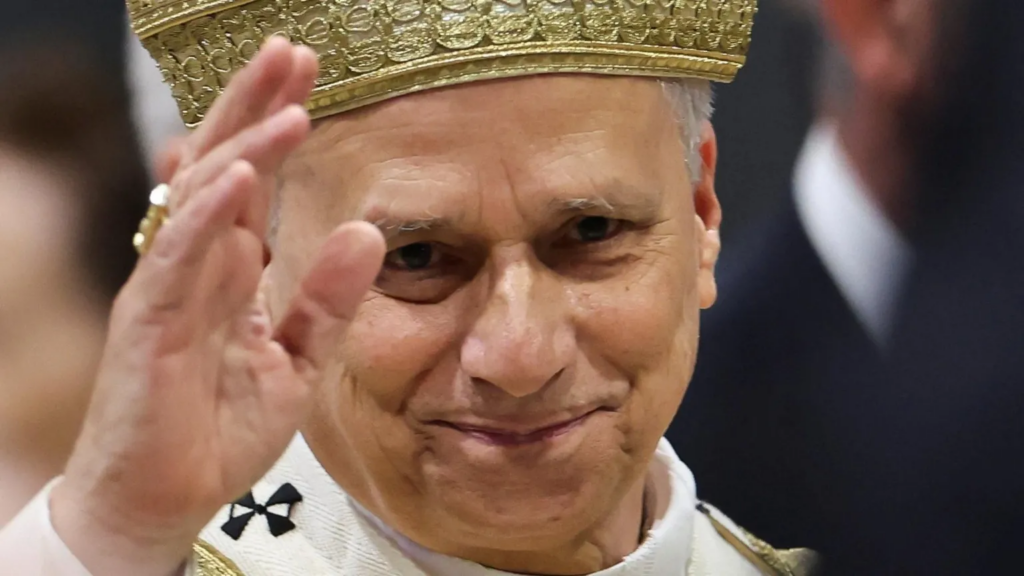
Pope Leo XIV's recovery from lung cancer surgery is "progressing as expected," according to his doctors. The 71-year-old pontiff has begun walking and has resumed a normal diet after the approximately 90-minute procedure at Rome's Gemelli Hospital on Tuesday. The Vatican reported that the surgery was "successful" and without complications. Blood tests and an X-ray conducted early on Wednesday confirmed the Pope's recovery was "proceeding normally." He has also received respiratory physiotherapy.
The entire lower lobe of the Pope's right lung was removed to ensure a radical procedure. Following the operation, the Pope awoke normally and returned to his room after a brief observation period, resting peacefully in the hospital that night. The pontiff is expected to stay at the hospital for about a week for recovery.
The Pope announced his hospital admission during his weekly Sunday prayers, informing the crowd in St Peter's Square that doctors had discovered a "well-contained" nodule on his lung at an early stage. After examination, the medical team confirmed it was lung adenocarcinoma, a type of lung cancer. Nodules are common, but this one was deemed cancerous after tests.
The Vatican has emphasized that the Pope, who is generally considered fit, showed no signs of infection or illness. Further tests were conducted to determine if the cancer had spread. The news has caused shock among Catholics worldwide, many recalling Pope Francis's hospital visits. Pope Leo's predecessor also had part of his lung removed in his youth and experienced respiratory infections later in life.
Adenocarcinomas, which develop in cells that produce mucus, are one of the most common types of lung cancer. The long-term prognosis depends on factors such as the cancer's stage at identification and the person's overall health. Early detection improves treatment outcomes, and treatments have advanced significantly in recent decades. Symptoms can include a persistent cough, breathlessness, fatigue, and weight loss.
Rewritten by urgent.news; may contain errors — check the original.
Source: myjoyonline.com