Pope Leo XIV’s lung cancer: Oncologist explains why non-smokers develop it
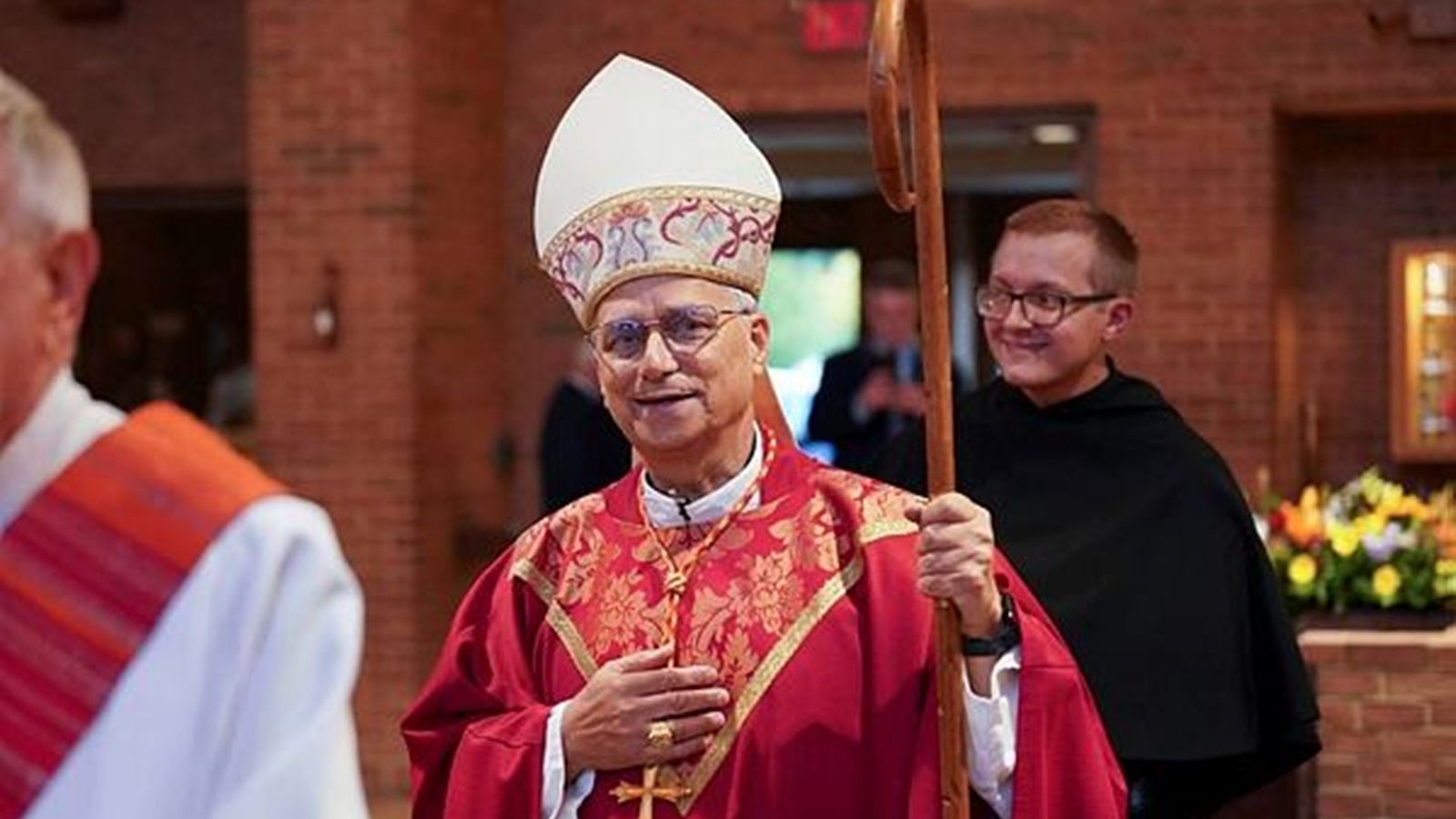
Pope Leo XIV, aged 71, was recently diagnosed with lung adenocarcinoma after undergoing surgery to remove the lower lobe of his right lung on October 13 at Rome's Agostino Gemelli Polyclinic. Notably, the Pope has not been a smoker, prompting questions about how lung cancer can develop in non-smokers. Lung adenocarcinoma is the most common form of non-small cell lung cancer, often found in individuals without a smoking history.
While smoking remains the primary risk factor, lung cancer can also arise from genetic mutations, environmental pollutants, and other factors. Dr Ankit Jain, Senior Consultant, Medical Oncology at Indraprastha Apollo Hospitals, explains that genetic changes cause lung cells to grow uncontrollably due to alterations like EGFR and ALK, even without tobacco exposure.
These acquired or somatic mutations occur during a person's lifetime and can be targeted with specific medications. Other risk factors include second-hand smoke, radon gas, air pollution, occupational exposures, age, and biological factors. Early-stage lung adenocarcinoma often shows no symptoms, making diagnosis difficult. However, symptoms such as a persistent cough, shortness of breath, chest pain, coughing up blood, or unexplained weight loss may warrant medical evaluation.
Treatment options vary based on the cancer stage and characteristics, including surgery, chemotherapy, radiation therapy, immunotherapy, and targeted therapy. A lobectomy, removing the lobe containing the tumour, is a common surgical approach for early-stage non-small cell lung cancer.
Written by urgent.news from The Indian Express's reporting — not their text. Machine-written — may contain errors; check the original before relying on it.