One Dockerfile, Two Architectures: What Actually Breaks When You Move Containers to ARM
Migrating Docker containers from x86 to ARM? Discover hidden dependency issues, native library failures and essential tests for reliable ARM deployments. The post One Dockerfile, Two Architectures: What Actually Breaks When You Move Containers to ARM appeared first on Cloud Native Now .
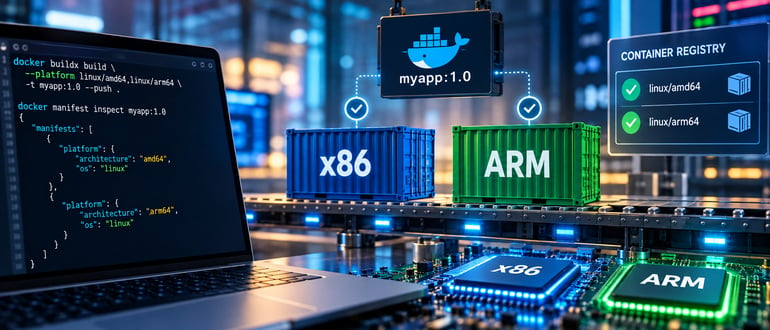
Docker can generate images for both AMD64 and ARM64 architectures, but this does not guarantee a functional container. Hidden architecture-specific binaries and dependencies can cause issues at runtime. Native dependencies, hardcoded downloads, and incompatible shared libraries are common causes of crashes or performance degradation.
Testing on ARM before production can help identify these issues. Migration from x86 to ARM may seem like a simple one-line change, but it involves adding a platform flag to the build command and trusting the resulting tag is healthy. However, this trust can be misplaced, as the build process does not compare the two images afterward.
Native ARM runners, dependency audits, and architecture-aware Kubernetes scheduling are crucial in exposing migration failures before they lead to outages. While the build process may appear successful, the application code is typically portable, while everything underneath is not. Failures often surface at runtime on a single architecture, particularly in production. It is essential to move beyond trusting build tags and inspect the underlying images.
Written by urgent.news from Container Journal's reporting — not their text. Machine-written — may contain errors; check the original before relying on it.