New study proposes simple test to spot mammals most vulnerable to climate
A team of scientists in Argentina and Brazil scored the adaptability of nine rodent species on three parameters, suggesting the method can be used for other animals in other parts of the world.
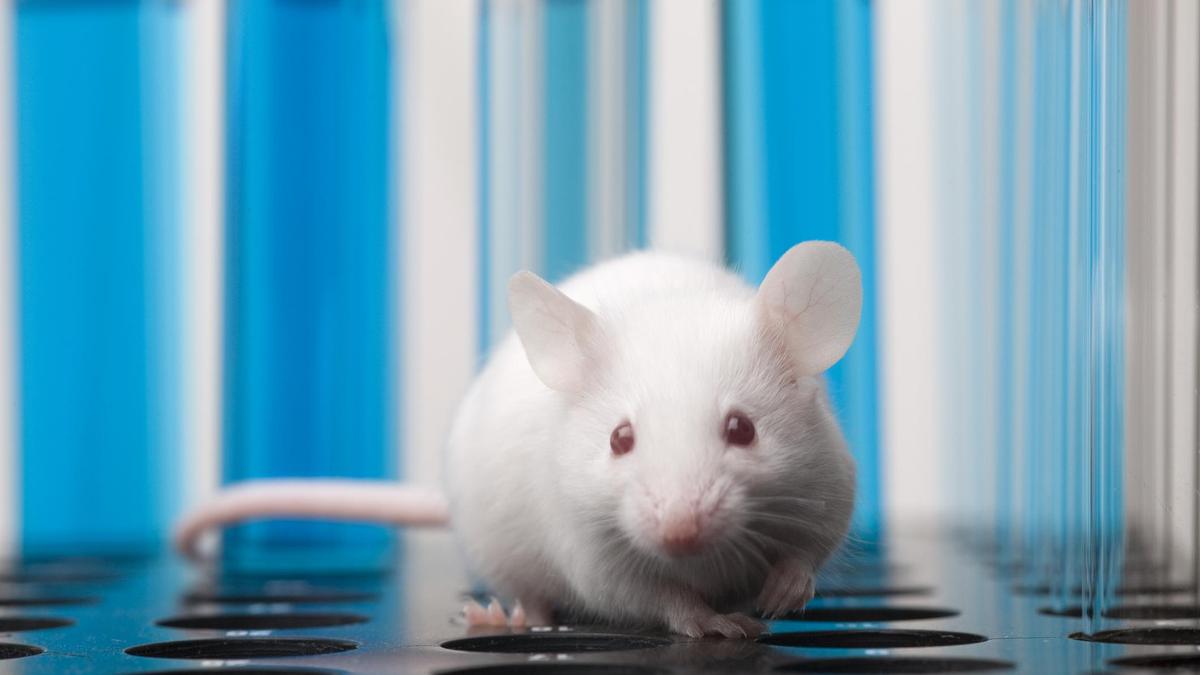
A new study has proposed a straightforward approach to identify which mammals are most at risk from climate change. Researchers from Argentina and Brazil evaluated nine rodent species from those countries, using three key behavioral traits as indicators of adaptability: diel activity, habitat use, and diet diversity. These traits were scored on a scale of 0 to 2, resulting in a total potential score of up to six for each species.
The study, published in the journal Zoology, suggests that this simple test could be used to gauge the vulnerability of other animals to the effects of global warming. The Argentine team, led by Emmanuel Fabián Ruperto, noted that global temperatures are projected to increase between 1.5°C and 4.5°C by the end of the century, potentially driving up to 15% of species to extinction.
Among the nine rodent species assessed, Phyllotis vaccarum demonstrated the highest adaptability score of six, while Abrocoma schistacea, which is active during the day, limited to a single habitat, and with a narrow diet, scored zero. The researchers emphasized that their method is intended as a preliminary assessment, not a substitute for comprehensive vulnerability evaluations, which would also consider exposure to environmental changes and the species' sensitivity.
The authors acknowledged that their scoring system was developed using limited data, as only about 30% of the world's 2,700 rodent species have been formally evaluated for extinction risk by the International Union for Conservation of Nature. Nevertheless, they believe their approach could help prioritize research efforts and inform conservation strategies, particularly for species inhabiting high-elevation environments that are particularly vulnerable to climate change.
Written by urgent.news from The Hindu - Sci-Tech's reporting — not their text. Machine-written — may contain errors; check the original before relying on it.