Melting Permafrost Impacts Arctic Rivers in Vulnerable Regions
Changes in river chemistry in the northwestern North American Arctic reflect increased acid rock drainage associated with permafrost thaw, an unexpected consequence of Arctic warming.
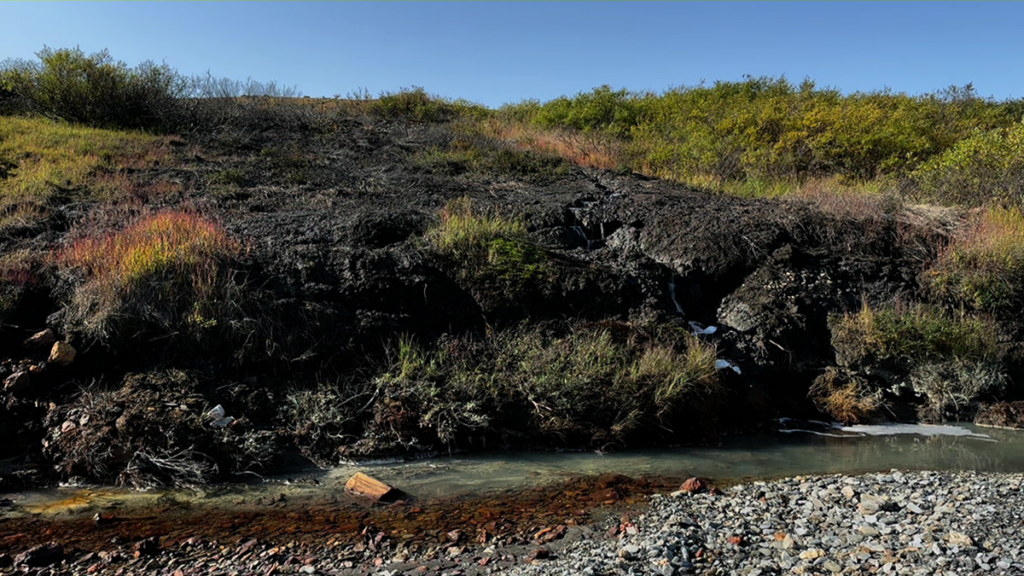
Recent research published in AGU Advances highlights the surprising consequences of Arctic permafrost melting on the chemistry of streams and rivers in the Brooks Range of Alaska. In the September 2026 issue, Evinger et al. [2026] detail how an unusually warm winter in 2019 triggered a sudden, long-lasting shift in water chemistry. The study finds that sulfate and zinc levels rose significantly, pointing to the thawing of sulfide-rich permafrost as the likely cause.
The research team examined historical river data and concluded that the oxidation of sulfide minerals exposed by thawing permafrost could be responsible for the increased concentrations of these metals in the water. This finding suggests that melting permafrost is not only affecting the physical landscape, but also the chemical composition of Arctic waterways.
In a related Viewpoint piece, Skierszkan [2026] explores similar changes in stream chemistry observed in the Yukon region, emphasizing the broader regional implications of permafrost thawing. The authors argue that similar processes could be occurring in other Arctic areas underlain by sedimentary rocks containing sulfide minerals.
Together, these studies underscore the far-reaching impacts of melting Arctic permafrost. Beyond altering the landscape, this environmental change appears to be influencing water quality, threatening aquatic ecosystems, and potentially affecting the health and livelihoods of human populations in vulnerable regions.
Written by urgent.news from Eos's reporting — not their text. Machine-written — may contain errors; check the original before relying on it.