How Indian communities earn a living from more than forest timber
Every year between February and May, when mahua flowers begin to fall, Mamta Tigga collects them. Mamta comes from a village in Gumla in the Indian state of Jharkhand and has been collecting mahua (a flower from Madhuca longifolia), gethi kanda (or air potato, Dioscorea bulbifera) and tendu leaves from the Indian ebony tree (Diospyros […]
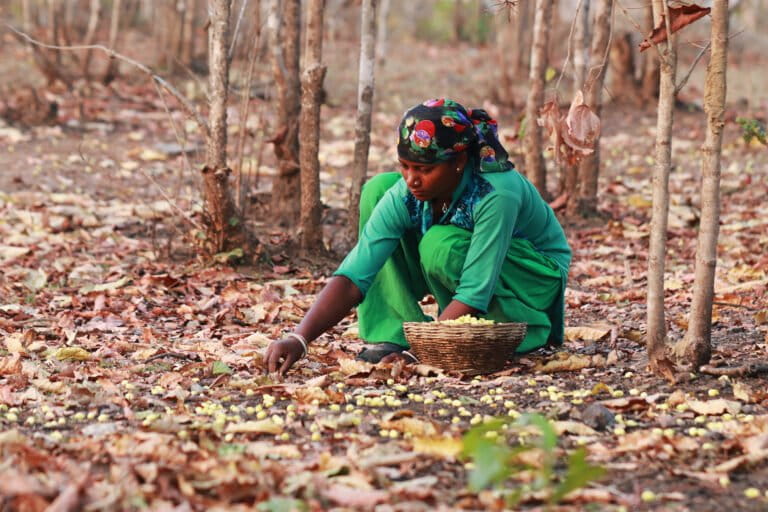
In the Indian state of Jharkhand, tribal communities such as Mamta Tigga's earn a living from forest produce other than timber. Every year between February and May, Mamta collects mahua flowers, gethi kanda and tendu leaves from the Indian ebony tree. These plants provide food, medicine and other traditional uses in her culture.
However, Mamta has noticed a decrease in mahua production over the years, influenced by weather conditions. On good years, she collects around 4-5 quintals (100 kilograms or 220 pounds) of mahua, but this year, due to excessive rain, she gathered only 25 kg. Forest produce is crucial for families like Mamta's, especially when there's a shortfall in income, such as during her husband's off days.
As these natural resources face changes while demand remains high, a study in the journal Frontiers in Sustainable Food Systems explores the impact on Indian communities.
Written by urgent.news from Mongabay's reporting — not their text. Machine-written — may contain errors; check the original before relying on it.