Los bancos, obligados a reintegrar pagos no autorizados aunque se trate de una negligencia del cliente
Una sentencia del TJUE refuerza la protección al consumidor y obliga a los bancos y otras entidades de pago a devolver los importes de operaciones no autorizadas. Más tarde podrían solicitar el reembolso si demuestran que el cliente cometió una negligencia grave. Leer
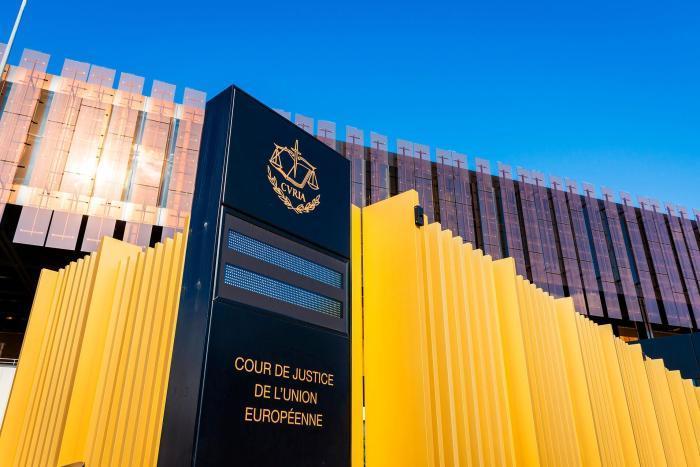
A recent ruling from the European Union's Court of Justice (TJUE) has reinforced consumer protection and compels banks and payment entities to reimburse unauthorized transactions, even if they are due to customer negligence. This is a key decision for the protection of banking customers who suffer unauthorized withdrawals, often the result of fraud and scams.
The TJUE has ruled that entities must restore these amounts to customers within one business day of notifying the fraud, even if the customer has committed serious negligence. The Luxembourg-based case involved a Polish bank customer whose 700 euros were stolen through identity theft during an internet purchase. After reporting the fraudulent transaction, the bank refused to return the amount, claiming the customer's negligence had facilitated the operation, thus breaching its obligation to protect personal security credentials.
The TJUE emphasized that the payment service provider's belief that the customer had facilitated the unauthorized operation due to serious negligence does not allow them to refuse the immediate reimbursement. Therefore, the legal deadlines for returning the funds and, subsequently, claiming a refund must be adhered to if it can be proven that the losses were due to the customer's breach of obligations, such as protecting their credentials.
Specialist litigator and cybercrime attorney Vanesa Fernández explained to EXPANSIÓN that the ruling puts things in order by establishing that these amounts are first returned and, if the bank believes serious negligence occurred, they must prove and claim the refund. While the decision expands consumer protection in light of increasing internet fraud and scams, Fernández warns it is not a blank check, as serious negligence still exists. She recommends notifying the bank without delay, in line with recent rulings.
As in previous cases, the ruling also makes clear that the burden of proving that the delay in communication was made in bad faith or with malice lies with the bank. If the entity cannot prove a lack of negligence or malice in the delay of notification, it will have to assume the cost of the losses. However, the TJUE clarifies that users must be diligent, review their accounts, and take a proactive approach. In other words, the consumer cannot simply relax.
Written by urgent.news from Expansion ES's reporting — not their text. Machine-written — may contain errors; check the original before relying on it.