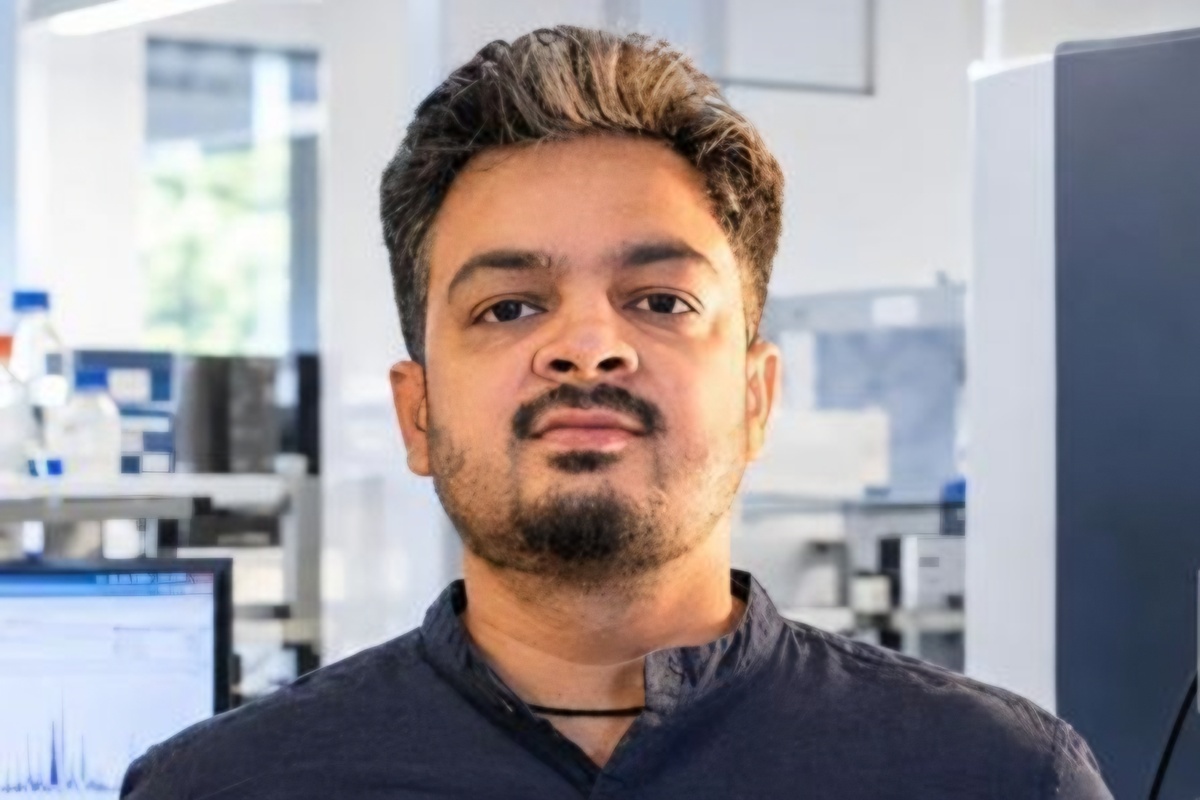
Kookmin University professor named among World's Top 2% Scientists for 3rd straight year
Ravi Gupta, a professor at Kookmin University’s College of Transdisciplinary Studies, has been included in the 2026 World’s Top 2% Scientists list for the third consecutive year. Compiled by Stanford University and Elsevier, the list identifies leading researchers in each academic field based on citation indicators derived from Elsevier’s Scopus database. Gupta studies plant physiology,…
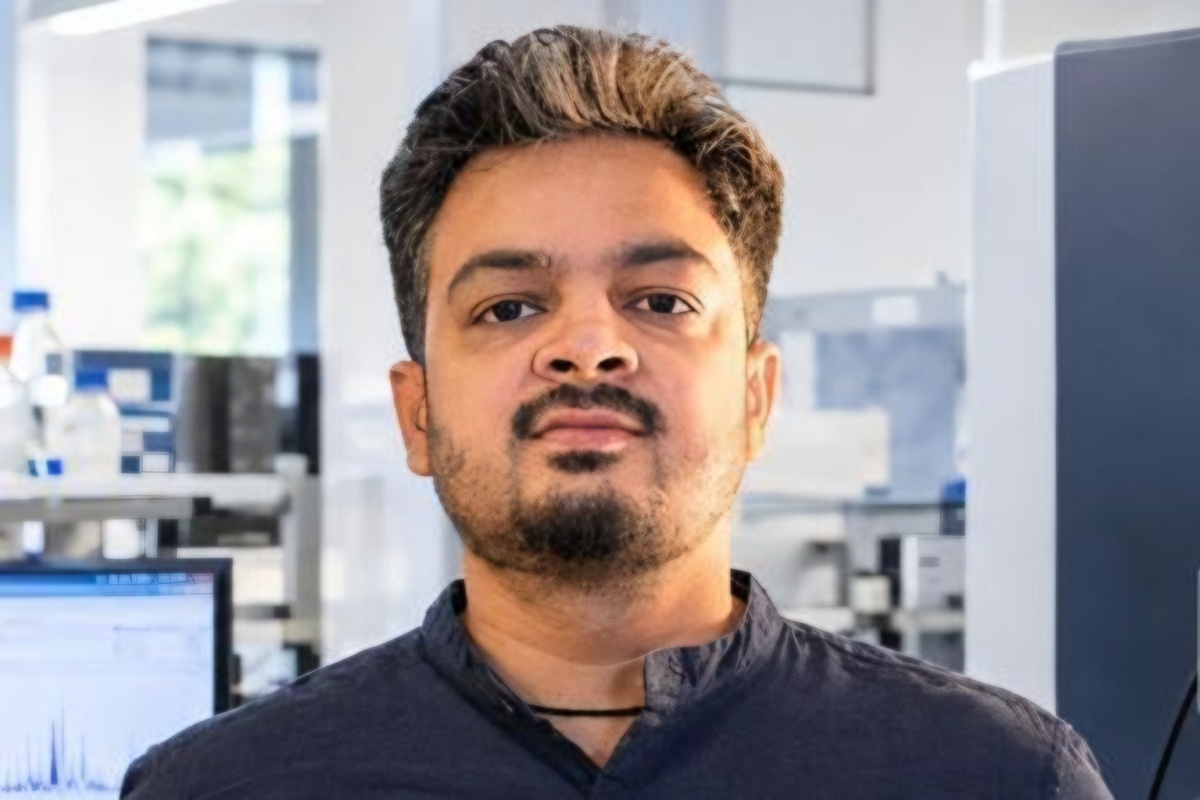
Ravi Gupta, a professor at Kookmin University's College of Transdisciplinary Studies, has been named among the 2026 World's Top 2% Scientists for the third year in a row. The prestigious list, compiled by Stanford University and Elsevier, recognizes leading researchers in their respective fields using citation indicators from Elsevier's Scopus database.
Gupta specializes in plant physiology, biochemistry, and functional genomics, with a particular interest in how plants cope with environmental stress and defend against pathogens. He employs mass spectrometry-based proteomics to analyze proteins and post-translational modifications that play a role in plant defense mechanisms. With over 190 published papers that have garnered more than 5,500 citations, Gupta expressed his pride in being included in the list for the third consecutive year.
He credited his fellow researchers and students for their contributions and emphasized his motivation to continue investigating plant immunity and related topics.
Written by urgent.news from The Korea Times's reporting — not their text. Machine-written — may contain errors; check the original before relying on it.
This story
This is one outlet's version. Read the fullest account.