From paper parks to lasting protection, here’s what works in marine conservation
In recent years, there has been a steady stream of ocean conservation pledges, from French Polynesia extending marine protection across its nearly 5 million-square-kilometer exclusive economic zone, including more than 1 million square kilometers of highly or fully protected waters, to the Eastern Tropical Pacific Marine Corridor (CMAR), where Colombia, Costa Rica, Ecuador, and Panama […]
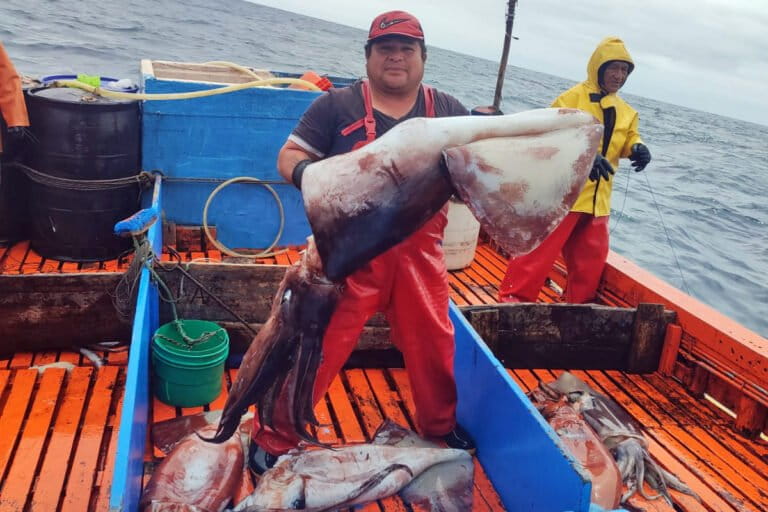
In recent years, significant marine conservation pledges have emerged globally, with notable examples including French Polynesia's extended protection across its vast exclusive economic zone and the Eastern Tropical Pacific Marine Corridor (CMAR) established by Colombia, Costa Rica, Ecuador, and Panama. Traditional stewards, such as Indigenous communities, artisanal fishers, and coastal communities, are increasingly recognized for their contributions to conservation efforts.
Despite these promising developments, the reality reveals challenges such as "paper parks" — areas protected on paper but not effectively enforced — industrial fishing vessels breaching protected zones, and abandoned fishing gear polluting supposed safe waters. While academic literature and Mongabay's multilingual reporting have provided insights into marine conservation outcomes in the Americas, the evidence suggests that the success of these initiatives largely depends on political compromises and enforcement measures on the ground.
The article underscores that while broader ecological trends are documented, journalist coverage highlights the complex political landscape and enforcement issues that significantly impact the effectiveness of marine protection efforts.
Written by urgent.news from Mongabay's reporting — not their text. Machine-written — may contain errors; check the original before relying on it.