Kommentar: Was die deutschen Autochefs über Ungarn verschweigen
Sie haben viele Milliarden in dem Land investiert. BMW hat sein neuestes Autowerk dort gebaut, Mercedes verdoppelt seine Produktionskapazität in Ungarn. Doch eine Sache passt nicht.
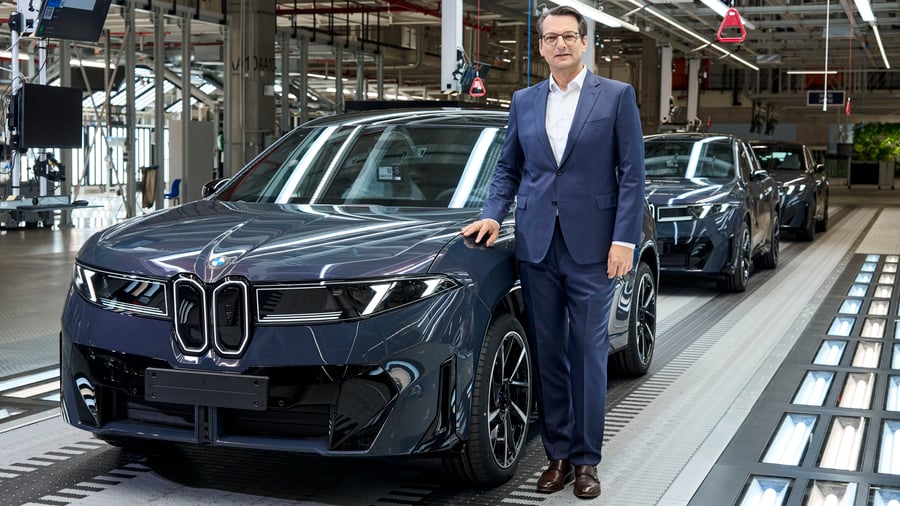
German auto executives often keep quiet about the advantages Hungary offers that they rarely mention. Dozens of BMW engineers take to the skies every Monday for Hungary, where they help address the skilled labor shortage. BMW isn't alone in this; other automotive manufacturers have also expressed difficulty finding well-qualified workers in the Eastern European nation.
Mercedes, too, relies heavily on assembling its Hungarian workforce from German employees. The German executives involved have been tight-lipped about this aspect of the Hungarian location. They have poured billions into the country, with BMW establishing a new car factory and Mercedes doubling its production capacity. The conversation has largely focused on more favorable energy costs, lower taxes and fees, and notably, cheaper labor rates.
While these factors make Hungary an attractive regional hub especially compared to Germany, the executives failed to acknowledge that these benefits come at a high price. The initial costs of capitalizing on these advantages are substantial, including flights, stays, and generous perks. Manufacturers must often invest significant amounts of money to build the workforce necessary for their production.
Written by urgent.news from Handelsblatt's reporting — not their text. Machine-written — may contain errors; check the original before relying on it.