Iron Fountain Gyumri in Gyumri, Armenia
If you go there in late February, the gray sky matches the mood perfectly. You walk down the cracked concrete of what used to be a grand Soviet boulevard, passing decaying apartment blocks. Just behind some overgrown bushes which look like a makeshift camp. The scale of it is incredibly imposing. Designed by architect Artur Tarkhanyan in 1982. In 1988, a devastating earthquake leveled most of…
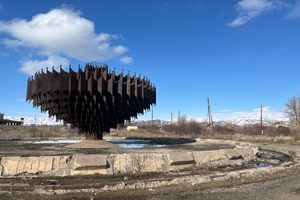
In late February, as the gray sky mirrors the somber mood, visitors can stroll down a dilapidated Soviet boulevard in Gyumri, Armenia. The area is adorned with crumbling apartment buildings and overgrown bushes that resemble a makeshift camp. The fountain, an imposing structure designed by architect Artur Tarkhanyan in 1982, stands as a poignant reminder of the city's past.
In 1988, a catastrophic earthquake ravaged Gyumri, reducing most of the surrounding buildings to rubble. However, the Iron Fountain miraculously survived the disaster. While its plumbing was irreparably damaged, the fountain now remains dry and rusted, a silent witness to the city's tumultuous history.
Interestingly, despite its inoperative state, the fountain has transformed into a genuine, accidental monument. Its presence offers a raw and melancholic insight into what Gyumri was like before the earthquake and the city's original aspirations. For those who appreciate unfiltered history and the distinct, quiet essence of post-Soviet Armenia, a visit to the Iron Fountain is undoubtedly a worthwhile detour.
Written by urgent.news from Atlas Obscura's reporting — not their text. Machine-written — may contain errors; check the original before relying on it.