iPhone Duo's R50,000 price tag highlights the big problem facing foldable phones in SA
As South Africa prepares for the launch of Apple's first foldable phone, the iPhone Duo, high prices and stiff competition leave the niche market facing a tough pitch to everyday buyers.
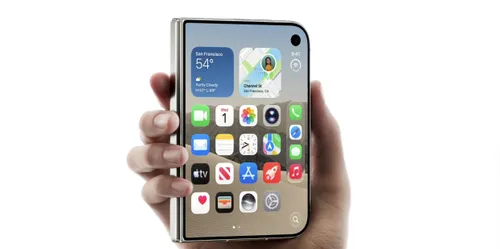
As South Africans prepare for the debut of the iPhone Duo on Friday, with reports suggesting a price tag of at least R50,000, the central obstacle confronting Apple lies in the question of who will actually purchase this device. Foldable phones have consistently been the least favored form factor in the market, primarily due to their prohibitively high cost.
Competitors such as Samsung's Fold series sit in the same price range, although they typically offer more value for money compared to rival devices like the Samsung Galaxy Z Fold8 or Huawei Mate X7. For example, instead of investing that sum into a baseline 256GB iPhone Duo, one could opt for a top-tier 1TB iPhone 18 Pro Max at a more attainable R45,699.
The main reason behind the Duo's exorbitant price is its sheer novelty. It introduces a wholly new form factor to the lineup and marks Apple's long-awaited entry into the foldable phone market. In contrast, the Samsung Galaxy Z Fold8 begins at R40,999 for the 256GB version, presenting a more affordable entry point for a specialized product.
Given that Samsung has been perfecting foldable technology since 2019, it emerges as a comparatively safer investment compared to committing to a first-generation product like the Duo. Similarly, the Huawei Mate X7 is priced at R39,999, offering double the storage at 512GB for that lower outlay. While there are numerous alternatives in the foldable market—most of which are significantly cheaper than the iPhone Duo—most consumers still have better, more affordable options available.
Whether examining traditional flagship slab phones like the iPhone 18 Pro or the Samsung Galaxy S26 series, practical, high-value choices are abundant. Until prices decrease, foldables will remain a niche, isolated segment of the market; however, meaningful price reductions currently appear to be a distant dream. Ultimately, for whom are these phones intended?
They are designed for consumers for whom money is of no concern—tech enthusiasts who are willing to spend extra for a foldable phone that may be inferior in certain technical aspects compared to standard flagship phones but excels in aesthetics. A foldable phone is immediately recognizable and visually striking, whereas conventional smartphones seamlessly blend into the background.
For now, the audience for this device remains select and small. If one happens to spot an iPhone Duo in the coming weeks—be it at a local shopping center or a restaurant—it will be a rare sight indeed.
Written by urgent.news from IOL's reporting — not their text. Machine-written — may contain errors; check the original before relying on it.