Opinion · World
How to turn overseas green regulation into export advantage
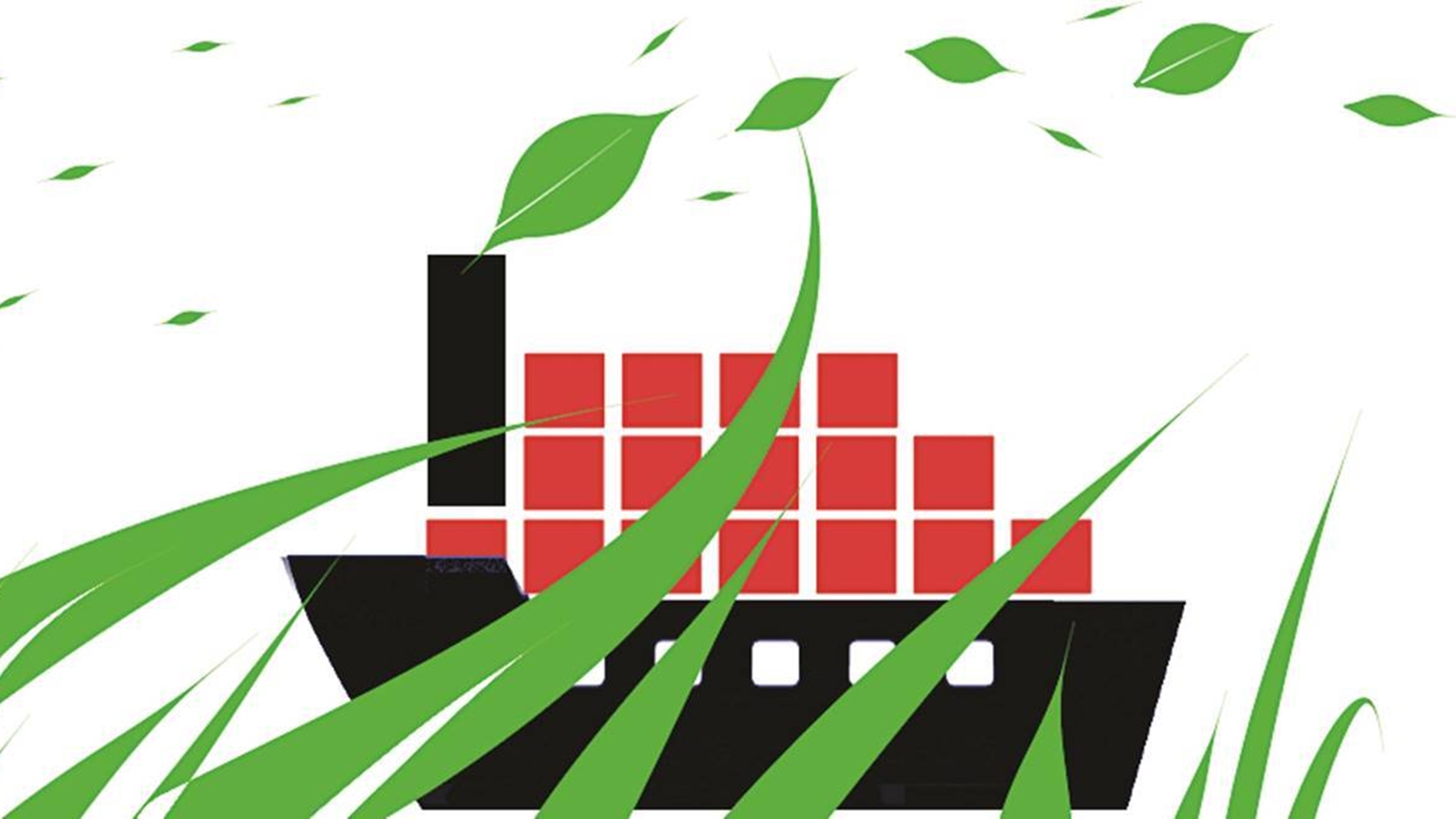
India's reaction to climate-linked trade regulation has been one of resistance, with countries like the EU being viewed as protectionist and intrusive. Critics argue that sustainability clauses in trade agreements seek to impose rich-country standards on developing economies. However, green trade regulation is no longer a temporary issue.
The EU will gradually withdraw carbon allowances for domestic producers, and the scope of carbon border adjustment is set to expand. As other economies with domestic carbon prices face similar pressure, India must consider a more fundamental question: Can the demand and price signals from these rules finance the early years of its own green industrialization?
To build a lower-carbon industry from the start, India can use global green trade rules to finance the early costs of establishing new power, steel, aluminium, chemical, and transport systems. Cleaner technologies may be initially more expensive but can help India build scale and capability while financing green fertilizer production for export to countries like Europe, Japan, and Korea.
Sustainable aviation fuel (SAF) is another example, as Indian ethanol from the domestic petrol-blending program can be diverted to produce higher-value aviation fuel for exports. As carbon costs are loaded onto European steel, India could use the resulting price increase to finance cleaner blast furnaces and eventually hydrogen-based production.
With regard to aluminium, India's exposure will grow as indirect emissions from electricity are counted. Investing in recycled aluminium and smelters using clean power can result in export advantages. India currently has a negligible share in Europe's electrical equipment market, which is set to surge due to the world's electrification. However, India could become a major export engine in this sector.
Rewritten by urgent.news; may contain errors — check the original.
Source: indianexpress.com