How Aramco learned to keep pumping oil under fire
When attack drones struck Saudi Aramco's biggest oil pipeline last month, satellite images showed one of its pumping stations burnt to ashes. By the next day, scores of bulldozers were already bu...
Saudi Aramco, the world's largest oil producer, has rapidly recovered from attacks on its infrastructure, showcasing its enhanced ability to operate under fire. After drones struck its main oil pipeline, Aramco swiftly deployed bulldozers to rebuild the pipeline, with pumping resuming within days. This swift response reflects the company's transformation over the years, adapting to numerous assaults on energy infrastructure in the region.
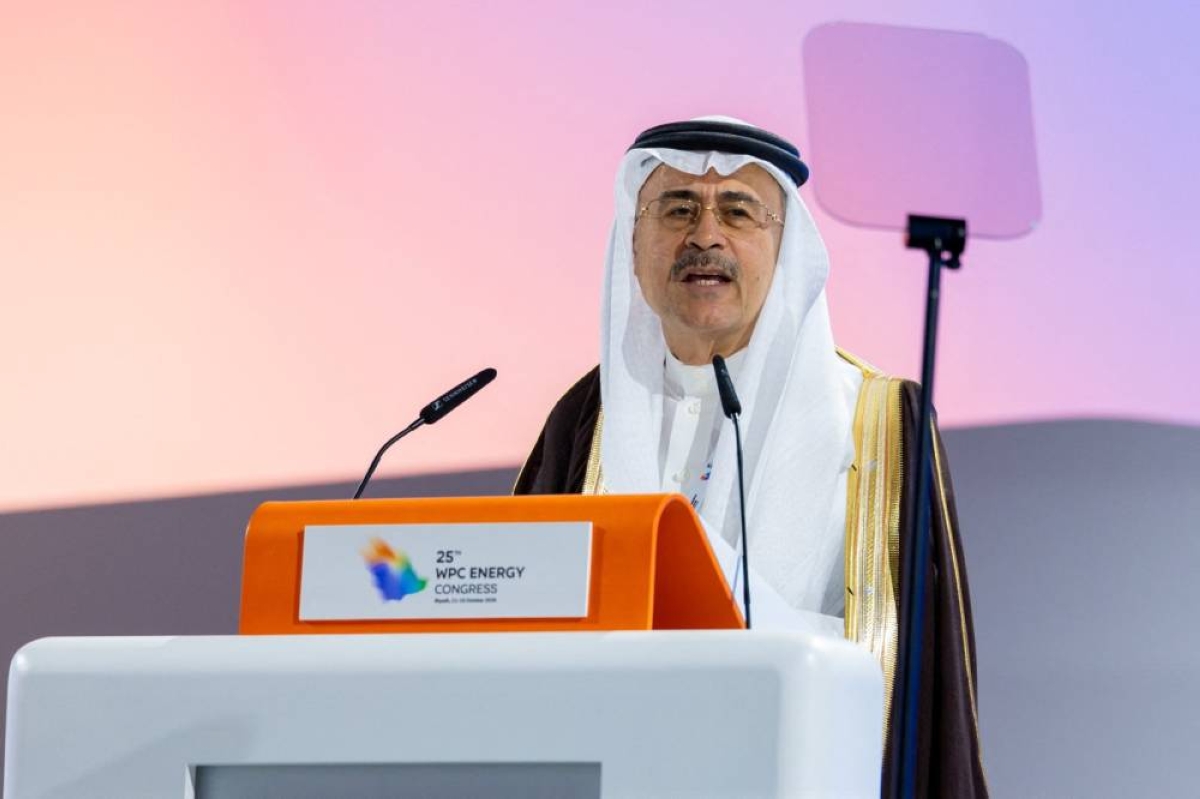
Saudi Aramco's CEO, Amin Nasser, highlighted the company's ability to manage multiple incidents simultaneously, bolstered by specialized rapid-response teams, expanded emergency stockpiles, and drone technology for assessing damage even while incidents are unfolding. These lessons stemmed from the 2019 attack on Aramco's major oil processing facility in Abqaiq, which temporarily halted half of the company's production.
Subsequently, Aramco developed the concept of "zero-hour responders" to tackle potential simultaneous attacks on its facilities. This capability was further tested in February when Iran retaliated against US and Israeli strikes on its territory, targeting Middle Eastern infrastructure. The crisis management skills of Aramco were once again put to the test on Tuesday when a Houthi attack caused extensive damage to the company's headquarters complex, leading to a significant drop in Saudi daily oil output below 7 million barrels.
Despite the challenges, Aramco has repaired damaged facilities and restored operations quickly, thanks to its specialized response teams, years of contingency planning, drone technology, and abundant spare parts. The company's response time to incidents is now over six times faster than the industry average, often restarting facilities within days even after significant damage.
This speed is achieved by deploying drones for inspection while an incident is still occurring, allowing for immediate action. Aramco's response teams can quickly supply repair materials, with 90% of necessary materials either produced locally or stored in local warehouses, thanks to years of building up supply chains and inventories.
This ability to maintain production despite repeated attacks has become a significant selling point for Aramco's customers, demonstrating the company's reliability under various scenarios. While Saudi oil production has recovered to about 8 million barrels a day in September, export routes remain vulnerable to disruptions beyond Aramco's control, prompting the company to explore alternative routes through the Strait of Hormuz, Bab el-Mandeb, and the Suez Canal.
Written by urgent.news from Gulf Times Business's reporting — not their text. Machine-written — may contain errors; check the original before relying on it.
Also reported by 2 other outlets
- How Aramco learned to keep pumping oil under fire investing.com
- How Aramco learned to keep pumping oil under fire koreatimes.co.kr