How Aramco learned to keep pumping oil under fire
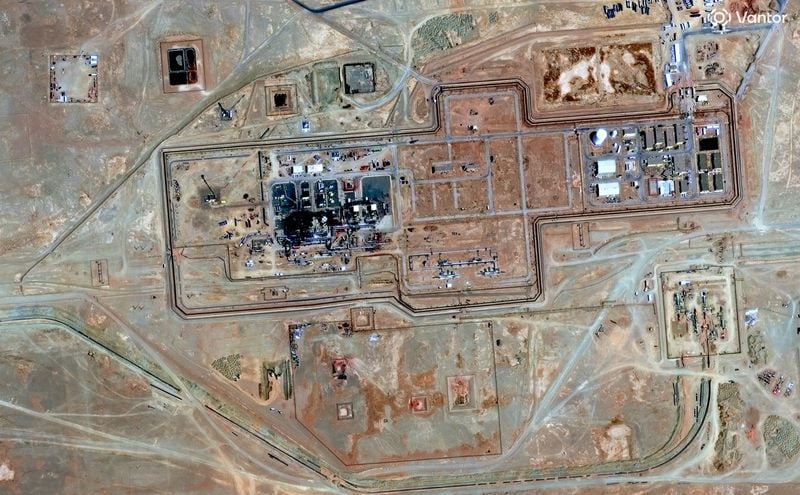
Saudi Aramco, the world's largest oil producer, has significantly improved its ability to operate under attack, as demonstrated by its rapid recovery following drone strikes on its key oil pipeline. CEO Amin Nasser revealed that the company has developed specialized rapid-response teams, expanded emergency stockpiles, and deployed drones for damage assessment.
These capabilities were forged after a 2019 attack that temporarily halted half of Aramco's production. In recent years, Aramco's crisis-management skills have been put to the test multiple times, including a Houthi attack on its headquarters in February. The company's response time, now over six times faster than the industry average, allows it to begin repairs often within days of an incident.
Aramco's quick response is made possible by drones that provide extensive, real-time damage assessments and by an extensive network of locally produced materials and spare parts. Despite ongoing attacks and disruptions to export routes, Aramco has managed to maintain operations and keep output relatively stable. The company continues to explore alternative shipping routes to mitigate further risks.
Written by urgent.news from Investing.com's reporting — not their text. Machine-written — may contain errors; check the original before relying on it.
This story
This is one outlet's version. Read the fullest account.
- How Aramco learned to keep pumping oil under fire gulf-times.com
- How Aramco learned to keep pumping oil under fire koreatimes.co.kr