Google showcases way to fix quantum computer errors more efficiently
Error-proofing the most important operations performed on a quantum computer has so far required lots of resources, but a new experiment shows a more efficient way to make the devices reliable
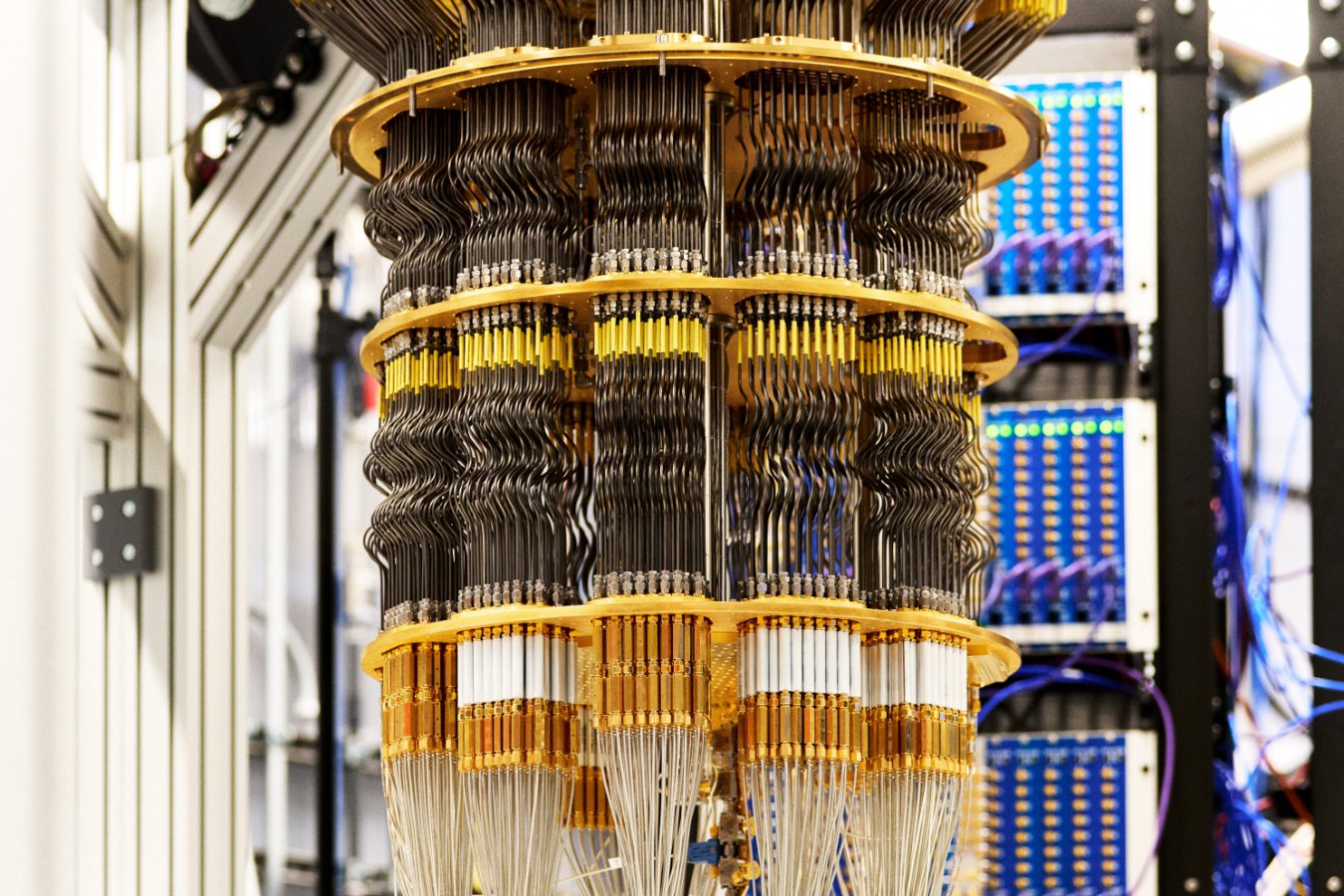
Google Quantum AI researchers have demonstrated a more efficient method for correcting errors in quantum computers. Quantum computers, which can solve some problems that conventional computers cannot, are plagued by errors due to their fragile qubits. To execute error-corrected non-Clifford operations, which are crucial for quantum algorithms, large numbers of qubits are needed, posing a significant engineering challenge.
The new technique developed by Google researchers reduces errors 40 times compared to previous methods. At the core of their approach is the concept of a "magic state," a special quantum state qubits must adopt before running error-corrected non-Clifford operations. Traditionally, creating magic states required many imperfect qubits, consuming significant computational resources.
However, Google's researchers proposed a more efficient method called "magic state cultivation," where the magic state is "grown" within a smaller portion of qubits. This approach could potentially enable quantum computers to run consequential programs with just one-tenth the number of qubits initially expected. The experiment confirms that magic state cultivation works in practice, reducing error rates and potentially decreasing the overall runtime of quantum computers.
While this breakthrough builds upon previous advancements in creating magic states and error-correcting non-Clifford gates, using superconducting circuits, the new method showcases the potential of improving error rates even further. The researchers believe this development could make fault-tolerant quantum computing more affordable and a significant step towards building intermediate-sized quantum computers with hundreds of logical qubits.
Written by urgent.news from New Scientist's reporting — not their text. Machine-written — may contain errors; check the original before relying on it.