Gastkommentar - Global Challenges: Woran es beim Wiederaufbau in Syrien hapert
Die syrische Regierung muss den Wiederaufbau stemmen und die Erwartungen der Menschen erfüllen. Doch der Iran-Krieg erschwert den Neuanfang, meint Ulf Laessing von der Adenauer-Stiftung.
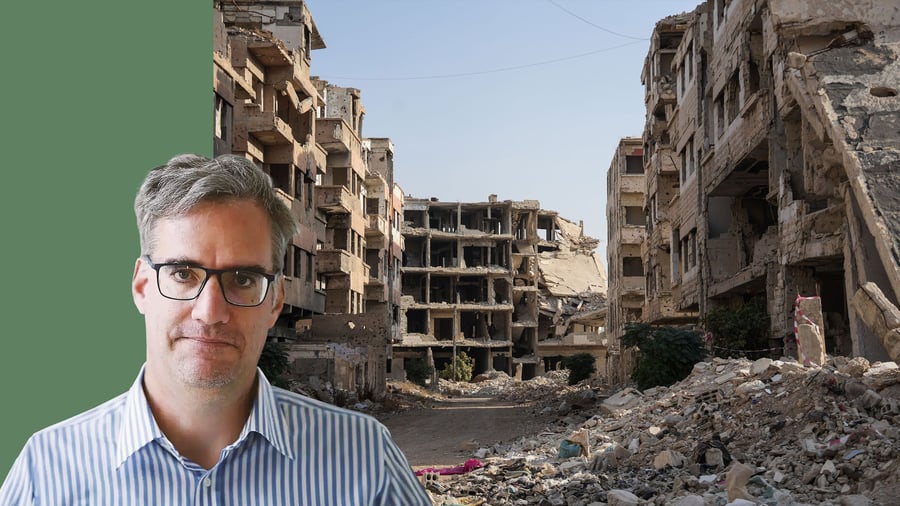
Two years have passed since the end of the Assad dictatorship, yet the security situation in Syria remains precarious. Syria did not disintegrate like other countries following the 2011 Arab Spring, unlike Libya, which fell into the hands of militias two years after Gaddafi's overthrow, and Egypt and Tunisia, which experienced elections but also mass protests and terrorist attacks.
The longest conflict in the Arab world, lasting 14 years, finally came to an end. The new government, a former Islamist rebel group from the northeast, has taken control nationwide and inherited an empty treasury. Transitional President Ahmed al-Scharaa, a former terrorist leader who now resides in the former "People's Palace" government seat named after Assad, is under pressure to provide Syrians with a better life after 60 years of despotism.
He relies on investments from the Gulf states and hopes for increased commitment from Germany. In the capital Damascus, businesses such as carpet and spice traders operate in the Old City, alongside luxury restaurants next to the Umayyad Mosque, as if the war had never occurred. Even the first tourists are arriving thanks to direct connections from Berlin and Europe.
Written by urgent.news from Handelsblatt's reporting — not their text. Machine-written — may contain errors; check the original before relying on it.