Flamingos, lakes and an open sky, rooted in Abu Dhabi’s wetland
Abu Dhabi- Abu Dhabi is known worldwide for its desert dunes. But the Emirate’s natural identity is broader than sand, and no place can show that better than Al Wathba Wetland Reserve, a site that marks the beginning of how Abu Dhabi protects its natural heritage. Al Wathba owes its existence to the vision of the late Sheikh Zayed bin Sultan Al Nahyan. When Greater Flamingos bred successfully on…
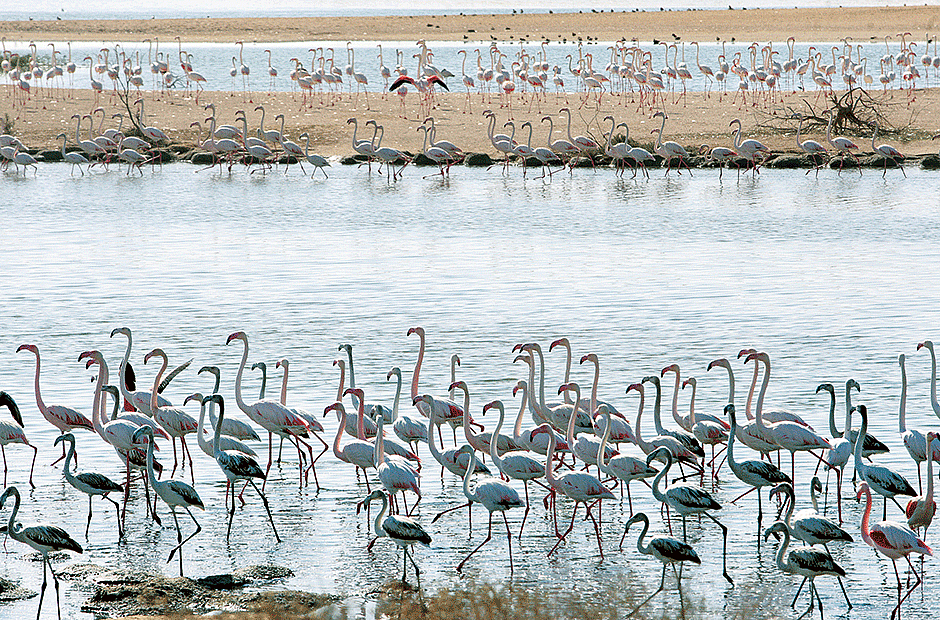
Abu Dhabi, a city renowned for its desert dunes, boasts a natural identity that extends far beyond sand. Its wetland reserve, Al Wathba Wetland Reserve, showcases the Emirate's dedication to preserving its natural heritage. The reserve's inception traces back to the visionary efforts of the late Sheikh Zayed bin Sultan Al Nahyan.
In 1998, successful breeding of the Greater Flamingos on the site marked the first recorded instance in the Arabian Peninsula in decades, underscoring the invaluable nature of its preservation. Designated as Abu Dhabi's first legally protected site, Al Wathba remains a cornerstone of the Emirate's conservation initiatives, symbolizing its unwavering commitment to safeguarding the land and its inhabitants.
Initially, the wetland area was a coastal salt flat, or sabkha, characterized by a water table just below the surface and the evaporation of water by the desert sun, resulting in a salt crust. Today, it has transformed into a thriving ecosystem consisting of a network of natural and man-made lakes that support numerous species of Abu Dhabi.
The reserve has gained global recognition, particularly during the winter months when it hosts over 4,000 Greater Flamingos, which usually breed during this time. This internationally significant site also illustrates how conservation efforts can coexist with modern infrastructure. Visitors are drawn to the breathtaking sunset views offered by the reserve, which is sustained by water supplied by the nearby Mafraq Water Treatment Works in Abu Dhabi's arid climate.
The reserve's ecological importance is evident in its diverse wildlife, which includes more than 260 bird species, 37 plant species, and various aquatic organisms. Al Wathba's significance lies in its accessibility as well as its rich biodiversity, making it a rare sight for a desert emirate. The reserve offers two self-guided walking trails of 1.5 and 3 kilometers, a bird-watching hide, and an air-conditioned visitor center, keeping the focus solely on nature without the presence of cafés or commercial developments.
Visitors are advised to bring hat, sunscreen, refillable water bottles, and binoculars for optimal viewing of the flamingos.
As a leading natural reserve in the UAE, Al Wathba attracts numerous visitors, and due to its popularity, entry has been free. This reserve not only allows families and children to observe wildlife up close but also educates them on the importance of preserving such habitats. Currently closed for development, the reserve remains a symbol of Abu Dhabi's conservation commitment, with its ongoing transformation indicating the growing role of this landmark in the city's environmental landscape.
Rewritten by urgent.news; may contain errors — check the original.
Source: gulfnews.com