EU negotiates sanction swap with China to rescue critical ASML supplier
The EU is reportedly negotiating with Beijing to remove Chinese restrictions on German ASML supplier Sindlhauser Materials, to prevent the China-dependent company from going out of business
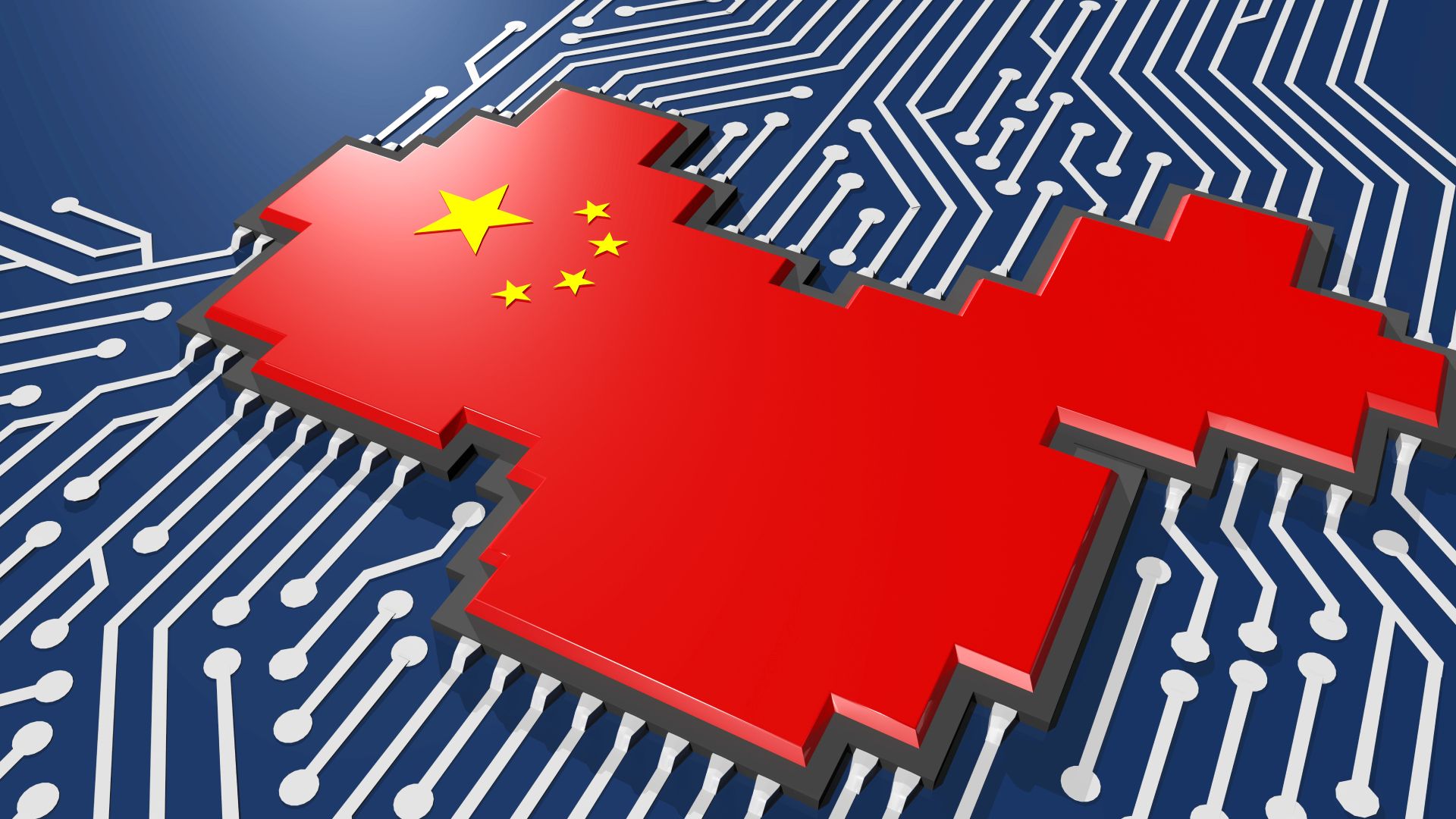
The EU is engaged in negotiations with China to lift restrictions imposed on Sindlhauser Materials GmbH, a German company crucial to ASML’s supply chain. These sanctions risk Sindlhauser's survival, according to a Bloomberg report from October 14 citing sources familiar with the matter. In exchange, the EU would remove restrictions placed on an unnamed Chinese firm accused of assisting Russia in its conflict with Ukraine, reported Bloomberg.
The proposed deal was discussed during EU Commissioner for Trade and Economic Security Maroš Šefčovič’s visit to Beijing. The EU will likely initiate the delisting process, which requires unanimous support from member states. Both sides also agreed to share information and provide advance warning of future export restrictions. In July 2026, China added Sindlhauser and 13 other European firms to its export-control list in retaliation for the EU's 21st Russia sanctions package, which sanctioned several Chinese entities over alleged dealings with Taiwan.
Beijing's selection of Sindlhauser, a precision-manufacturing and advanced-coatings firm, is deliberate, as it is a key part of ASML’s supply chain. Sindlhauser relies heavily on Chinese rare earths and critical minerals, making it difficult for the firm to find alternative sources. After the listing, both the German and Bavarian governments helped Sindlhauser explore workarounds, but the company now faces imminent closure if the sanctions persist.
EU officials have been pressing China on this issue for weeks, which culminated in the delisting swap during Šefčovič’s visit. This incident underscores China's significant influence over the global technology supply chain, particularly in semiconductors, which are vital to the AI boom. China has also imposed export restrictions on rare earth metals, limiting their availability throughout the supply chain. Meanwhile, the West is investing heavily in domestic supply chains to reduce reliance on China.
Written by urgent.news from Tom's Hardware's reporting — not their text. Machine-written — may contain errors; check the original before relying on it.