CJP leaders’ arrest: What are bonds under the BNSS? Explaining the legal provisions
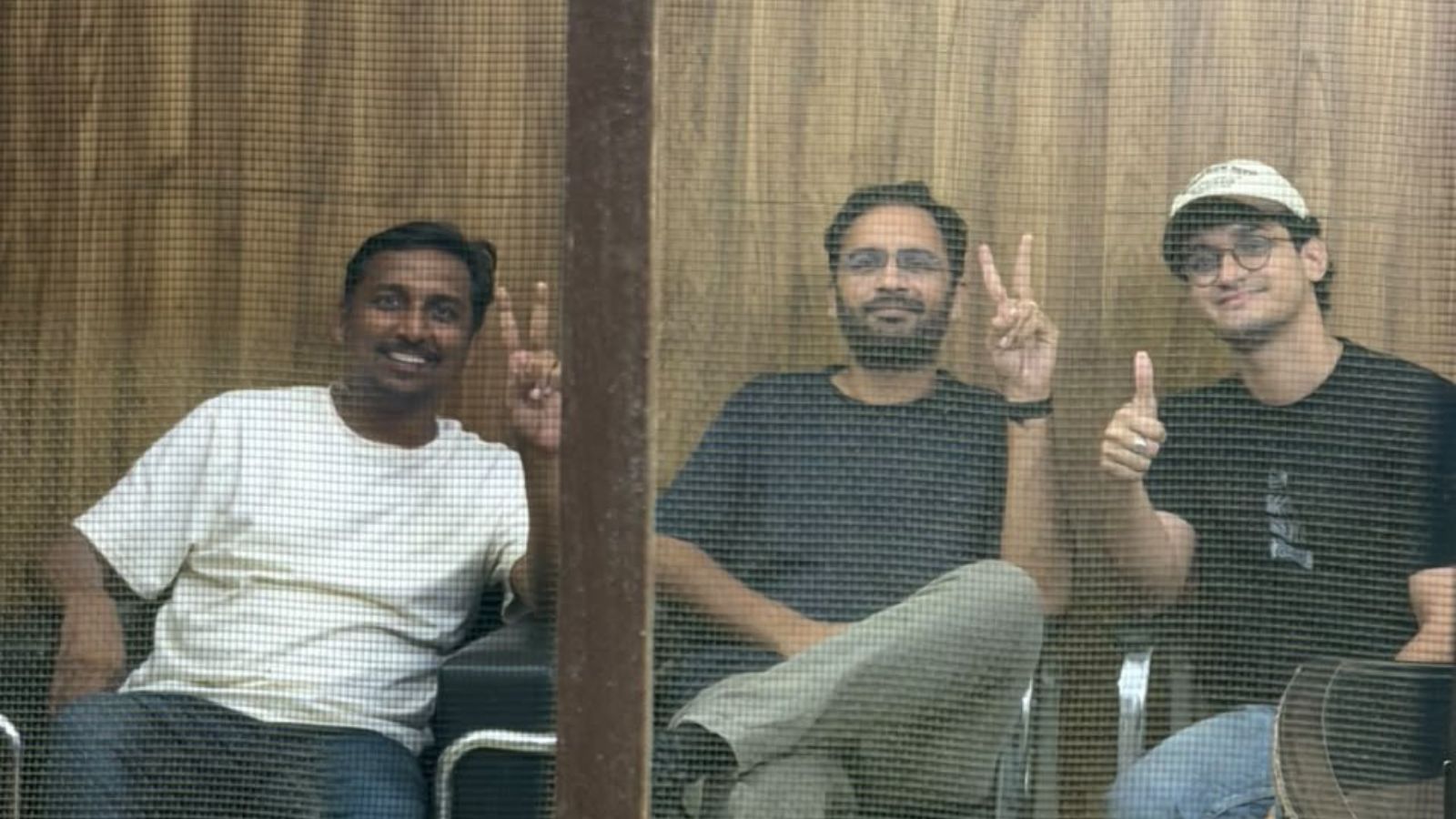
On October 10, CJP leaders Ashutosh Ranka and Saurav Das were arrested by Delhi Police while entering the denotified Jantar Mantar area, as part of a protest demanding Chief Election Commissioner Gyanesh Kumar's resignation. They were released after signing a bond of Rs 50,000 each, requiring them not to break the law for at least a year. However, they later claimed they had violated the bond's condition, leading to their remand to Tihar jail for five days.
Bonds, as per the BNSS, are a legal provision allowing an accused to be released from custody under certain conditions. A bail bond requires a surety, which can be an individual or a specified amount of cash, which may be forfeited if the conditions are breached. Under BNSS provisions, an accused can also sign bonds for maintaining peace and good behavior (Section 125-143, Chapter IX of BNSS).
The Delhi Police arrested the leaders on October 10, calling it a 'preventive arrest' under Sections 126 and 170 of the BNSS. Section 170 empowers a police officer to arrest a person likely to commit a breach of peace or disturbance of public tranquility. The police produced the leaders before a magistrate the next day, as required by law (Section 126), who ordered a bond for maintaining peace and good behavior for a period of one year.
On October 14, as the leaders attempted to enter Jantar Mantar, they were arrested again, resulting in two FIRs filed against them. The leaders' lawyers argued that they had not violated any laws or called for a protest, but only went to Jantar Mantar, a public place, with volunteers and a national flag, raising the slogan 'Bharat Mata Ki Jai'.
The validity of Chapter IX, which deals with public peace and the fundamental right to assemble peacefully, has been examined in court orders, with the court upholding preventive powers but warning against long-term preventive detentions pending inquiries.
Rewritten by urgent.news; may contain errors — check the original.
Source: indianexpress.com