Chinese scientists use open-source data to spot suspected Israeli electronic warfare units
Chinese military scientists claim they have developed an algorithm that could help identify electronic warfare units using civil aviation flight data. The researchers said they had located two sources of interference that were spoofing their locations near Israel during the conflict with Iran. The team did not explain why they had focused on the Israeli military. The researchers estimated the…
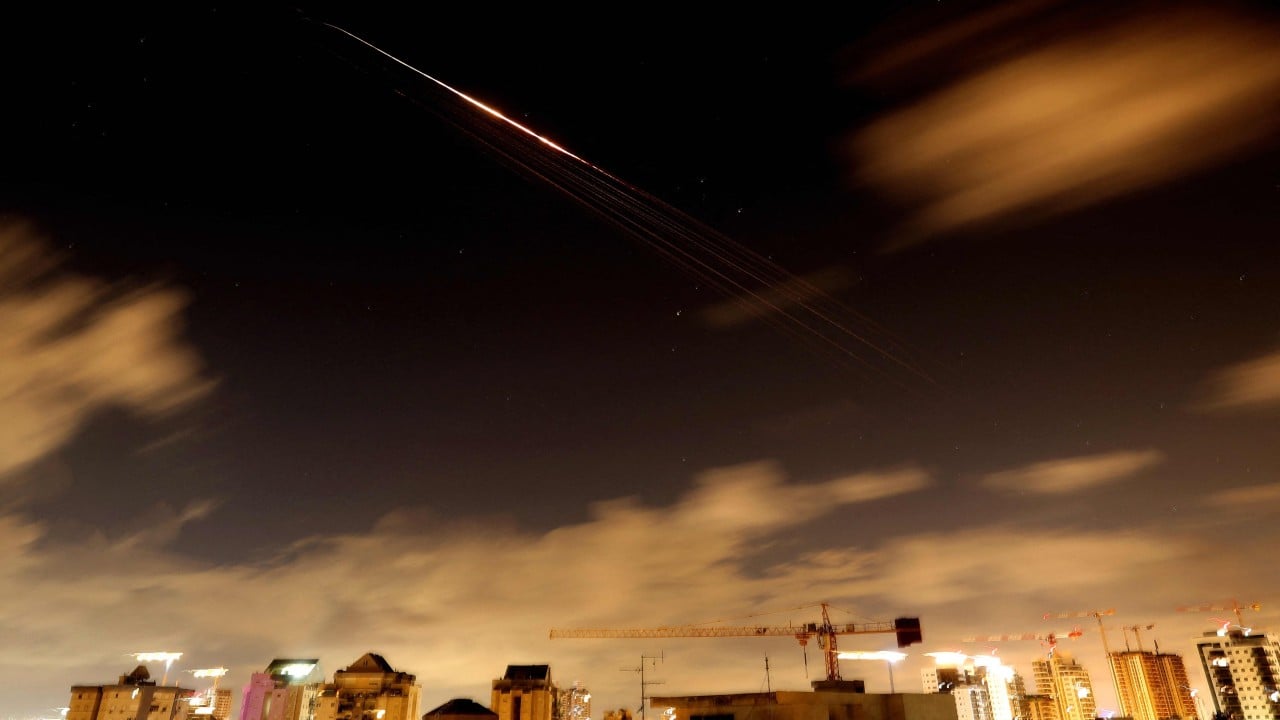
Chinese military researchers have reportedly developed a method using open-source data to detect electronic warfare units by analyzing civil aviation flight records. The team focused on pinpointing potential sources of interference near Israel during the recent conflict with Iran. Their findings were published in the Journal of Geomatics Science and Technology on October 7.
The researchers analyzed 43 days of aircraft-tracking data obtained from open-source civil aviation systems between February 27 (the day prior to the US and Israeli attack on Iran) and April 10. Electronic interference in the data can lead to flight paths abruptly changing or deviating from normal flight patterns. The algorithm developed by the team identified two areas in the Mediterranean Sea, one approximately 80km northwest of Haifa, Israel, and another about 30km northwest of the Gaza Strip.
According to the authors, these different patterns may correspond to attempts to counter distinct types of drone threats. Target area 1, near Haifa, is believed to have been aimed at countering sophisticated, long-range drones such as Iran's Shahed-136, which require a more complex spoofing strategy. Target area 2, near the Gaza Strip, is thought to have been used to counter lower-cost, short-range drones operated by groups in Gaza and the Yemeni Houthi movement, whose resistance to spoofing is weaker and can be addressed with a simpler, static spoofing method.
The researchers emphasized that their method requires no additional monitoring equipment and is both low-cost and timely, providing essential technical support for civil aviation safety and situational awareness in conflict zones. However, the South China Morning Post was unable to independently verify these claims. Future work by the team involves incorporating navigation data from ships to expand the method beyond civil aviation applications.
Written by urgent.news from Reuters Business via SCMP's reporting — not their text. Machine-written — may contain errors; check the original before relying on it.
This story
This is one outlet's version. Read the fullest account.