Cermed Ceramica Mediterranea, dichiarata la liquidazione giudiziale
Il viaggio della ceramica prodotta con argilla sarda è finito. Per la Cermed, Ceramica mediterranea , azienda con sede a Guspini nel Medio Campidano, il tribunale di Cagliari ha dichiarato la...
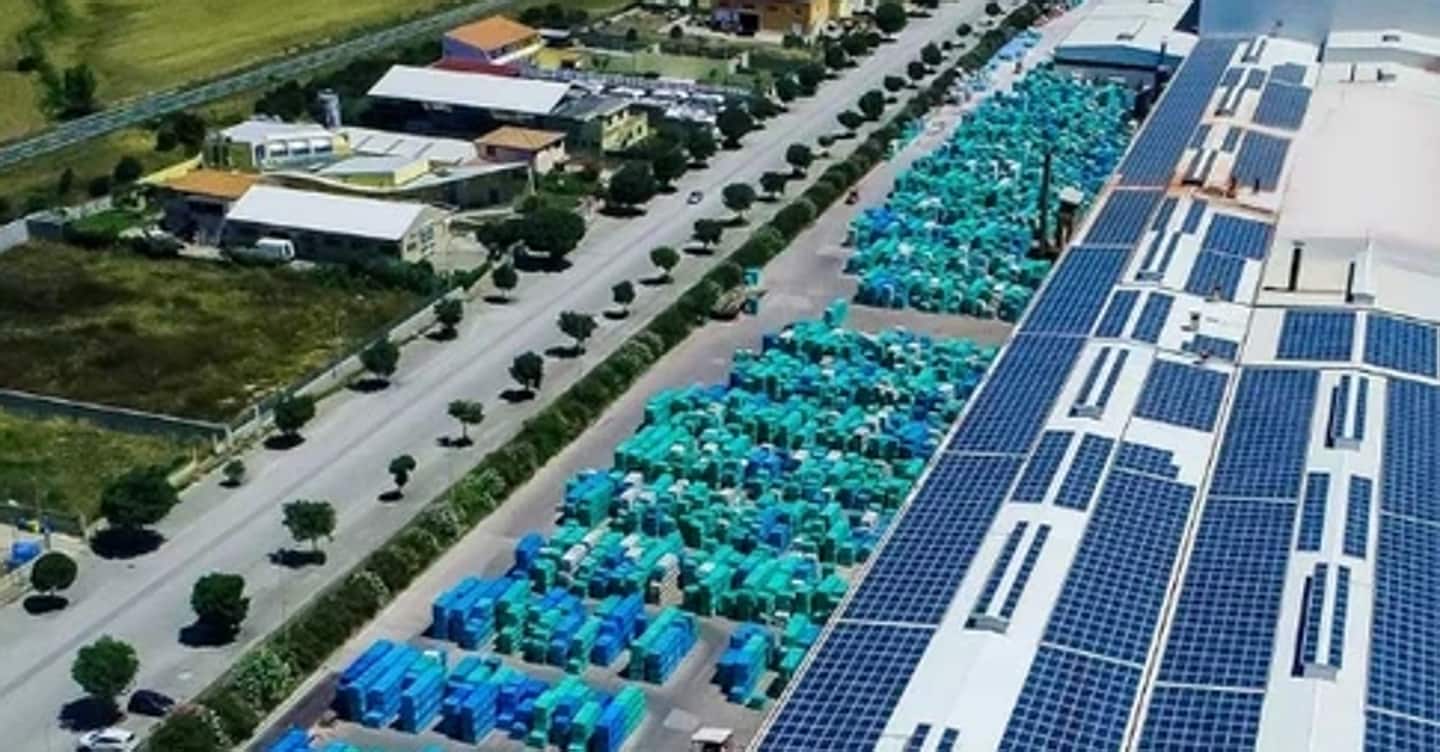
The journey of the ceramic product made from Sardinian clay has ended. For Cermed, Ceramica Mediterranea, an enterprise based in Guspini in the Medio Campidano, the court of Cagliari has declared judicial liquidation. This process, which replaces bankruptcy, came into effect with the introduction of the Code of Crisis. With the ruling issued on October 13th, it marks the end of the company's path, born from the privatization of enterprises that benefited from reliefs for the conversion to mining.
The production site was supposed to provide employment for former miners from Montevecchio and produce ceramics utilizing the clay available in the regional territory. A sort of zero-kilometer or almost zero-kilometer supply chain. After the initial public-private step, privatization and a subsequent reviving phase followed. Then a contraction period, another reviving attempt, and finally the crisis dictated by ever more unsustainable costs.
In recent weeks, a concordance procedure proposal had also been initiated. All along the way, time was granted to reach a solution. However, the company's closure was finalized with the judgment of bankruptcy for the company, which, as of December 31st last year, had a debt of 52 million euros. As of March 18th, the creditors' meeting is scheduled.
Now the focus is on the future. Pressure from trade unions is directed towards guaranteeing social amortizations for the workers and finding solutions to save the assembly where about 120 people find employment in Sardinia and a dozen at the sales site in Sassuolo. The decline of the company was determined by the high costs. Specifically, it had to contend with the lack of gas and the star prices of electricity and electrical energy, as well as the surcharges that affect rubber-tired transport and shipping, especially since the majority of the production has always been destined overseas.
The various mobilization actions were not sufficient to overcome the difficulty dictated by the company's lack of liquidity. Now a new phase begins. The hope, as also emphasized by trade unions, is that there can be a new path with the sale of the company branch. A possibility that will have to deal with the fundamental problem of the sector, namely the high energy and transport costs.
Written by urgent.news from Il Sole 24 Ore's reporting — not their text. Machine-written — may contain errors; check the original before relying on it.