APOD: 2026 October 15 – The Milky Way over Manhattan
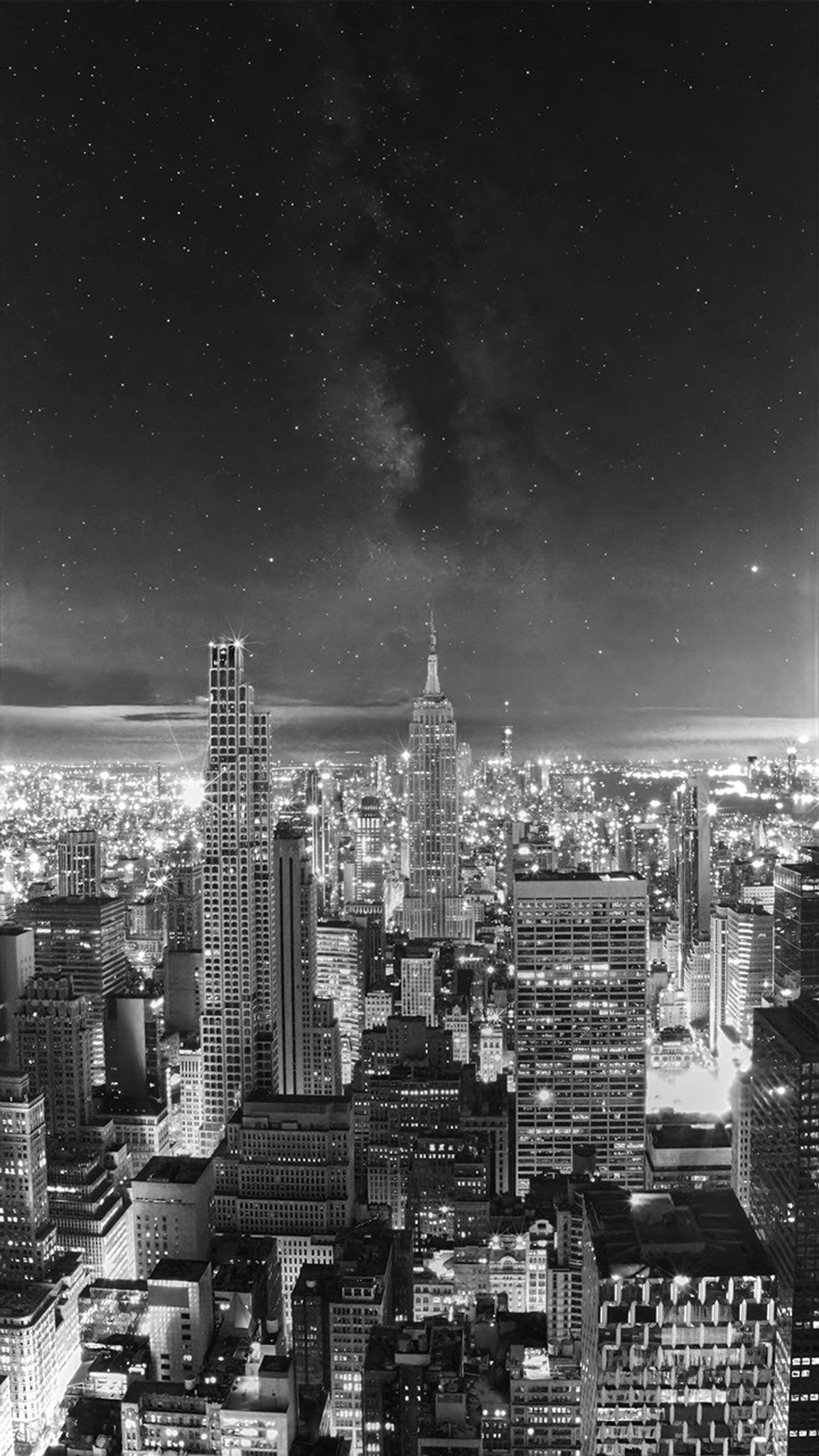
On October 15, 2026, an awe-inspiring image captured the Milky Way over Manhattan, showcasing the breathtaking beauty of our universe. The city lights, while dazzling, often obscure the stars, making it difficult to witness the celestial wonders that grace our night sky. However, astrophotographer Jason Kurth ingeniously devised a setup that effectively filtered out the majority of Earth's light pollution.
By blocking most of the visible light emitted by old incandescent bulbs and some neon signs, Kurth allowed the near-infrared light to pass through, revealing the incredible detail and depth of the Milky Way.
Infrared light possesses lower energy than visible light, making it ideal for peering through the haze of city lights. As a result, the astrophotographer's clever technique illuminated the stunning beauty of the Milky Way, even amidst the bustling metropolis of New York City. The image serves as a powerful reminder that we all inhabit the same vast cosmos, and that astronomy enables us to deepen our understanding of our place within this magnificent universe.
The photograph, taken with a filter specifically designed to block most visible light, highlights the remarkable contrast between the omnipresent city lights and the faint, yet captivating, glow of the Milky Way. Stars, too, shine brightly in the near-infrared spectrum, further emphasizing the cosmic connection between our earthly surroundings and the celestial realm.
This mesmerizing image, which was featured on the Astronomy Picture of the Day (APOD) on October 15, 2026, was captured by Kurth and Ty Buckley. Their collaborative efforts, under the guidance of Cecilia Chirenti, Robert Nemiroff, Jerry Bonnell, and Keighley Rockcliffe, not only provide us with a visually stunning representation of the Milky Way but also foster a sense of wonder and curiosity about our place in the universe.
Rewritten by urgent.news; may contain errors — check the original.
Source: science.nasa.gov