U.S. Shuts Down Over 40 Laptop Farms, Charges 14 in North Korean IT Worker Fraud
The U.S. Department of Justice (DoJ) on Tuesday charged 14 people and seized about 187 computers as part of its ongoing efforts to disrupt North Korea's fraudulent remote IT worker (ITW) scheme. The indictment charges a mix of U.S. citizens and Chinese nationals for their roles in an IT worker conspiracy affecting more than 70 U.S. companies, charging them with wire fraud conspiracy, money
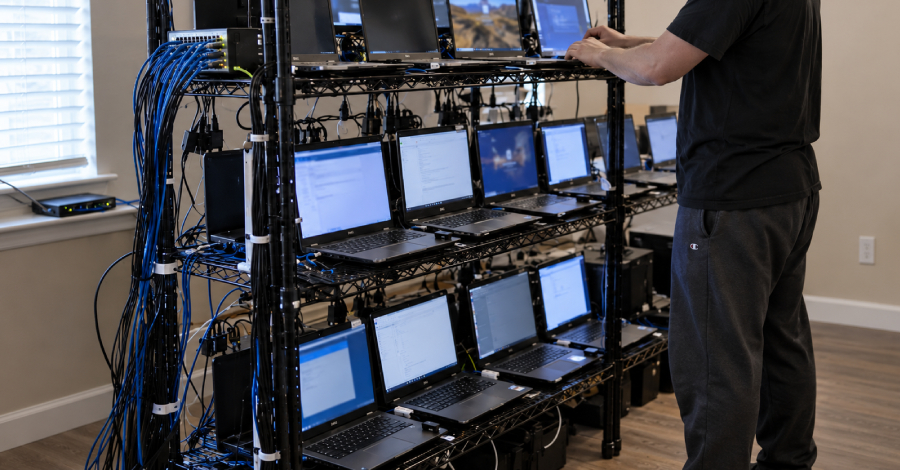
The U.S. Department of Justice (DoJ) charged 14 individuals, including two U.S. nationals, for their roles in a fraudulent North Korean IT worker scheme that impacted over 70 U.S. companies. The indictment accuses the defendants of wire fraud conspiracy, money laundering conspiracy, conspiracy to commit identity theft, and aggravated identity theft.
The scheme, known as Famous Chollima, purpledelta, and Wagemole, involved hiring North Korean IT workers using fake identities, paying them through U.S. companies, and funneling money back to the North Korean regime. The operation, which ran from around 2019 to July 2025, was based on over 40 "laptop farms" across Texas. The U.S. and Chinese nationals allegedly assisted the North Korean workers in obtaining legitimate employment and setting up accounts for money transfers.
The DOJ also noted the use of facilitators who subcontract work to third-party freelancers in South Asia and West Africa. The U.S. Federal Bureau of Investigation (FBI) issued an alert about the scheme's expanded use of facilitators.
Rewritten by urgent.news; may contain errors — check the original.
Sources: tomshardware.com · thehackernews.com