Twin cities choke on toxic air
Air pollution reaches alarming levels in Islamabad, Rawalpindi ahead of smog season
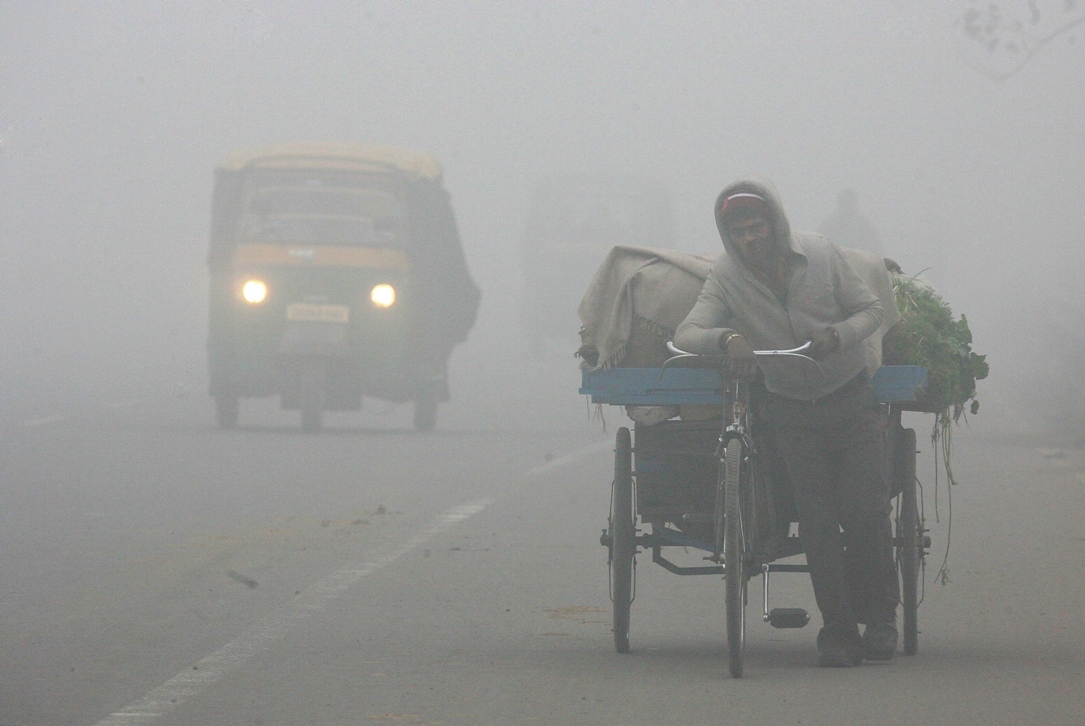
Rawalpindi, Islamabad, and surrounding areas in Pakistan are grappling with dangerously high levels of air pollution, even before the smog season officially begins. Despite attempts by the Environment Protection and Climate Change Department to curb pollution, air quality continues to deteriorate. Lahore's Air Quality Index (AQI) has reached a hazardous 228, while Rawalpindi's AQI has soared to 163 in areas near industrial units and brick kilns.
Murree, known as the Queen of the Hills, has an AQI of 115. Other districts, such as Attock, Jhelum, and Talagang, have AQIs of 150, 137, and 143, respectively. Islamabad's index stands at 100.
The deteriorating air quality has led to an uptick in eye, nose, and throat irritation, as well as colds and respiratory issues, even before the peak smog season. Government hospitals and local clinics have seen a surge in patients suffering from these ailments. Environmental inspectors have traced the pollution to vehicle emissions, traffic congestion, smoke from old vehicles and heavy trucks, industrial emissions, and brick kilns.
The use of low-quality coal and biomass in industrial units and brick kilns also contributes to the problem. Open burning of garbage, tires, and other waste adds to the harmful emissions.
Weather conditions exacerbate the problem, as falling temperatures from October to February trap smoke and pollutants near the ground. Medical experts advise residents to wear masks, especially N95 respirators, when pollution is high. They should avoid strenuous outdoor activities during poor air quality and keep doors and windows closed when outdoor pollution is severe. Children, the elderly, and those with asthma or heart conditions should take extra precautions.
In response to the rising AQI, Deputy Commissioner Nadeem Nasir has ordered immediate and strict measures to control pollution.
Written by urgent.news from The Express Tribune - Pakistan's reporting — not their text. Machine-written — may contain errors; check the original before relying on it.