They lost loved ones in Nepal’s flood but found a way through grief to help others
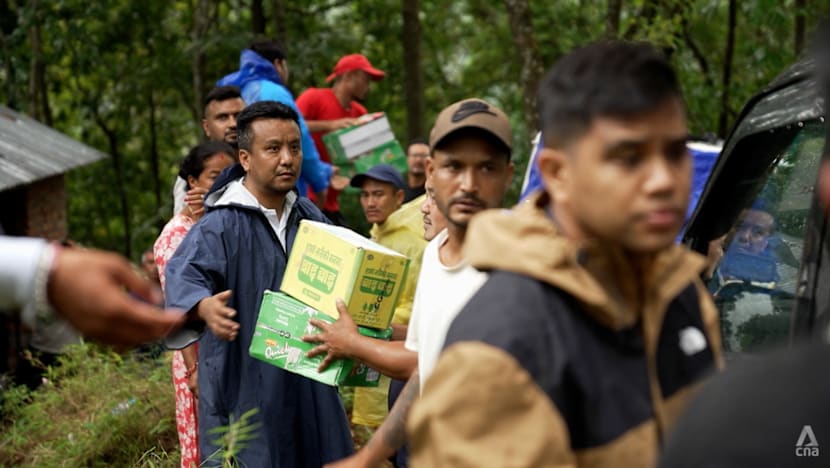
From a Chinese man searching for his wife to volunteers helping displaced children, people have had to confront personal tragedy even as many of them support others devastated by the disaster. Nepal: The Flood’s Wake tells their stories.
An avalanche of rock and ice triggered a flash flood in Nepal's Gorkha district on Sunday, officials have reported. The disaster came less than two months after a similar collapse on August 26 caused catastrophic flooding in Rasuwa district, leaving over 1,400 people dead and around 5,000 missing. The latest flood resulted in the loss of five lives and destroyed 200 houses and five bridges in the central Gorkha district.
Initially, the flood was mistakenly attributed to a landslide, but the National Disaster Risk Reduction and Management Authority later revealed that the surge was actually caused by the avalanche in a region of unstable rock at an altitude of approximately 6,000 meters (19,685 feet). The findings emphasize the urgent need for improved monitoring and early-warning systems in Nepal's mountainous regions, where sudden collapses can unleash devastating torrents, particularly as mountain permafrost thaws.
Disaster authority head Dharam Raj Uprety stated that the frequency of such incidents highlights the critical importance of enhanced monitoring and more effective early warning systems. Uprety noted that authorities had received some warning of the flood, which allowed them to alert communities and minimize casualties. The report also mentioned that several smaller landslides had occurred earlier, temporarily blocking the river before the debris failure led to the surge in the Budhi Gandaki river.
The largest flood surge reached an estimated height of 20–25 meters (65–82 feet), striking and destroying a hydropower camp in Salleri. Scientists have linked the August 26 floods to climate change, and Nepal's Prime Minister Balendra Shah recently described the disaster as a "warning to the world" about the rising dangers of climate change.
Rewritten by urgent.news; may contain errors — check the original.
Sources: channelnewsasia.com · phys.org
This story
This is one outlet's version. Read the fullest account.