The US military’s race to make fake blood
Its call sign was Morphine 1-2. In February 2007, the hulking dual-rotor casualty evacuation helicopter had just flown three wounded soldiers to a field hospital in Balad, north of Baghdad, when another call came: an emergency mission to fly through an insurgent-controlled area in broad daylight. Typically, helicopters would be in a spot like…
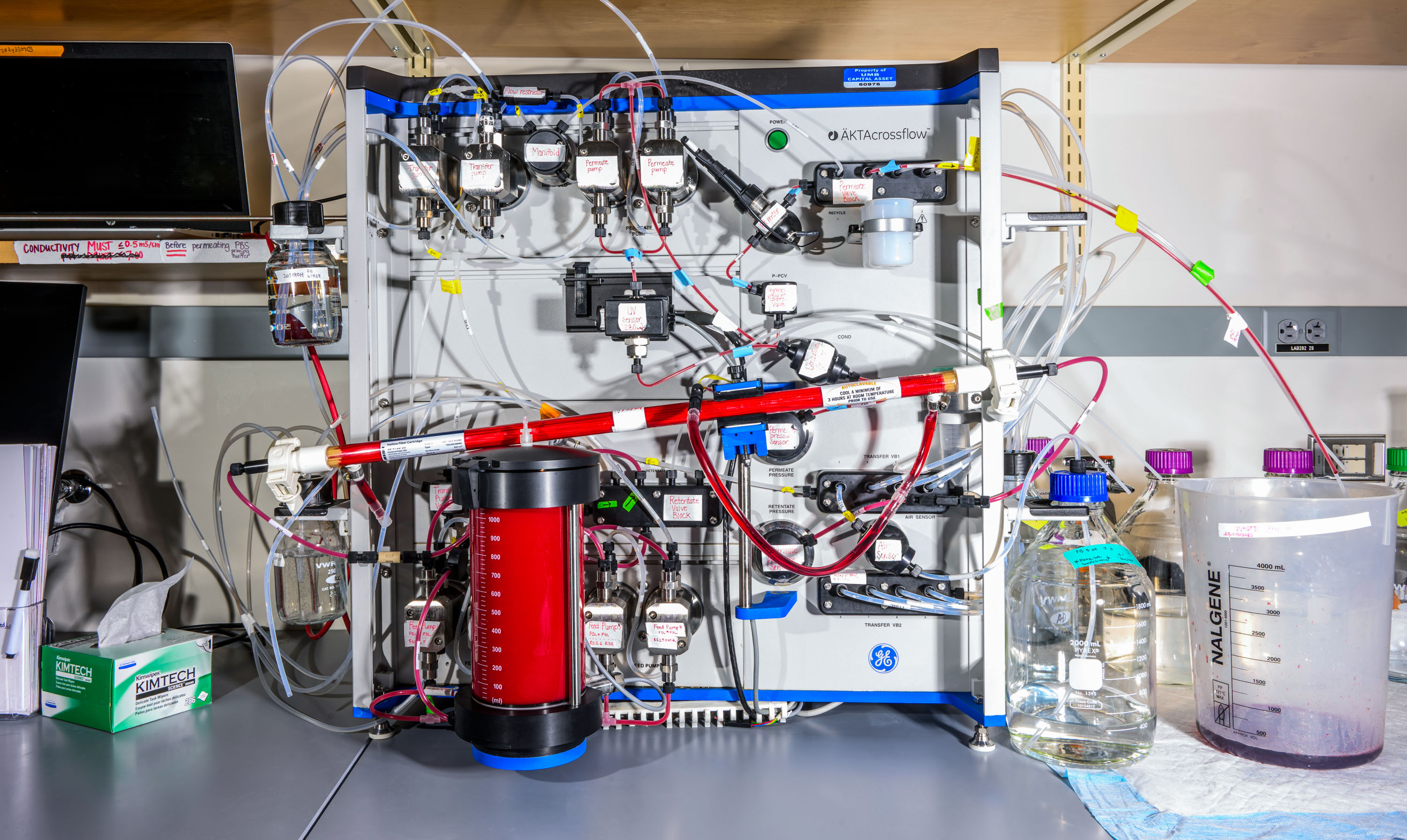
The US military is racing to create artificial blood substitutes due to a chronic shortage of real blood. Roughly 90% of preventable battlefield deaths are caused by bleeding, and blood is also the leading cause of maternal deaths worldwide. A study published in 2025 found that only 1% of trauma patients in the United States who needed blood before reaching a hospital actually received it, resulting in approximately 10,000 preventable deaths annually in the US. Globally, the figure is likely in the millions.
One of the challenges is that blood has a limited shelf life. While whole blood lasts only 35 days when refrigerated, platelets have a week-long lifespan and red blood cells, once thawed, spoil within days. Blood must be replenished quickly; a JAMA study of combat injuries in Afghanistan suggests that there is a 36-minute window to initiate a transfusion.
The $73 million DARPA program called RAPIID aims to develop shelf-stable versions of plasma, platelets, and red blood cells to address these issues. RAPIID is coordinating clinical trials with the FDA and sourcing necessary equipment for transfusions. Developing shelf-stable plasma is relatively easier, as it has been produced since the late 1930s, but platelets have proven more challenging. In the effort to provide portable, shelf-stable blood components, plasma is seen as the most promising area to tackle first.
Written by urgent.news from MIT Technology Review's reporting — not their text. Machine-written — may contain errors; check the original before relying on it.
Also reported by 1 other outlet
- The US military’s race to make fake blood technologyreview.com