The Personal Agents Era Comes With Caveats
In November 1996, Japanese toymaker Bandai put a pet inside a plastic egg. The Tamagotchi, whose name blends tamago, Japanese…
In November 1996, Japanese toy company Bandai released the Tamagotchi, a device resembling an egg with a tiny screen and three buttons. Owners must constantly care for the virtual pet, or it would die. Thirty years later, Meta unveiled its version of the concept, the Muse Charm, a keychain-sized gadget featuring an animated avatar of Meta's AI agent, Muse.
The device aims to perform tasks autonomously, eliminating the need for constant user attention. However, users must grant Muse access to personal information and digital workflows.
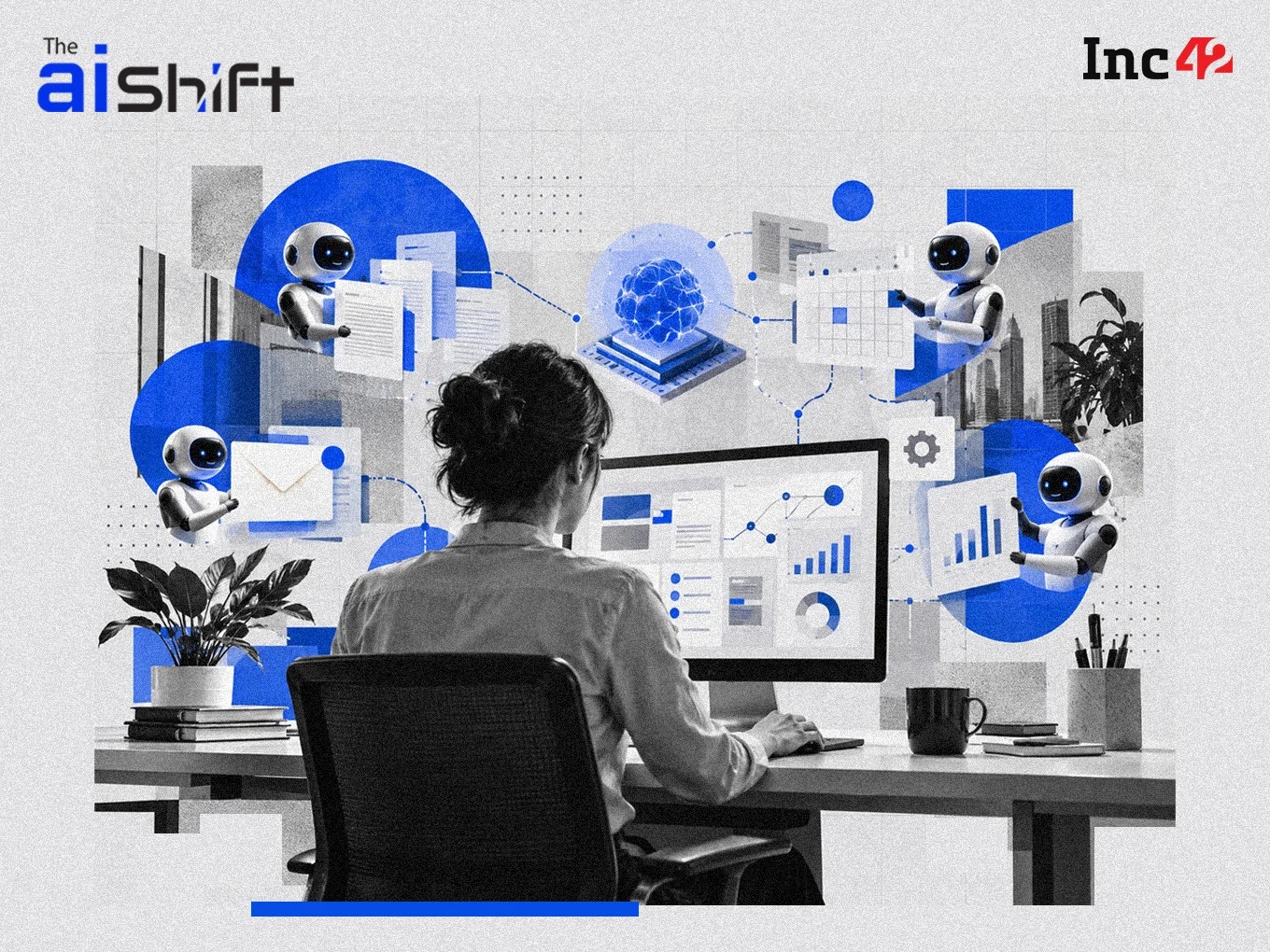
Meta's Muse represents a broader trend in the development of always-on AI agents, which are designed to handle entire workflows without requiring users to guide every step. These agents, such as OpenAI's Dots and xAI's Grok Bot, can perform tasks like investigating software bugs or processing invoices, saving time and effort for businesses.
In corporate settings, these agents can work across applications, such as Google Workspace, Microsoft 365, and Slack, to manage emails, create content, and write code based on employees' desired outcomes.
While always-on AI agents streamline tasks and improve efficiency, they also introduce new risks for enterprises. With access to sensitive company systems, a flawed decision by an agent could trigger financial, operational, or security incidents. Companies must establish clear permissions, accountability, and safeguards to mitigate these risks.
They must also educate employees on setting appropriate limits on agent autonomy, ensuring that these digital coworkers do not demand constant attention, but still have a human overseeing their actions.
Rewritten by urgent.news; may contain errors — check the original.
Source: inc42.com