The Google Pixel camera is impressive, but another hardware feature stands out
On-device AI is the real upgrade
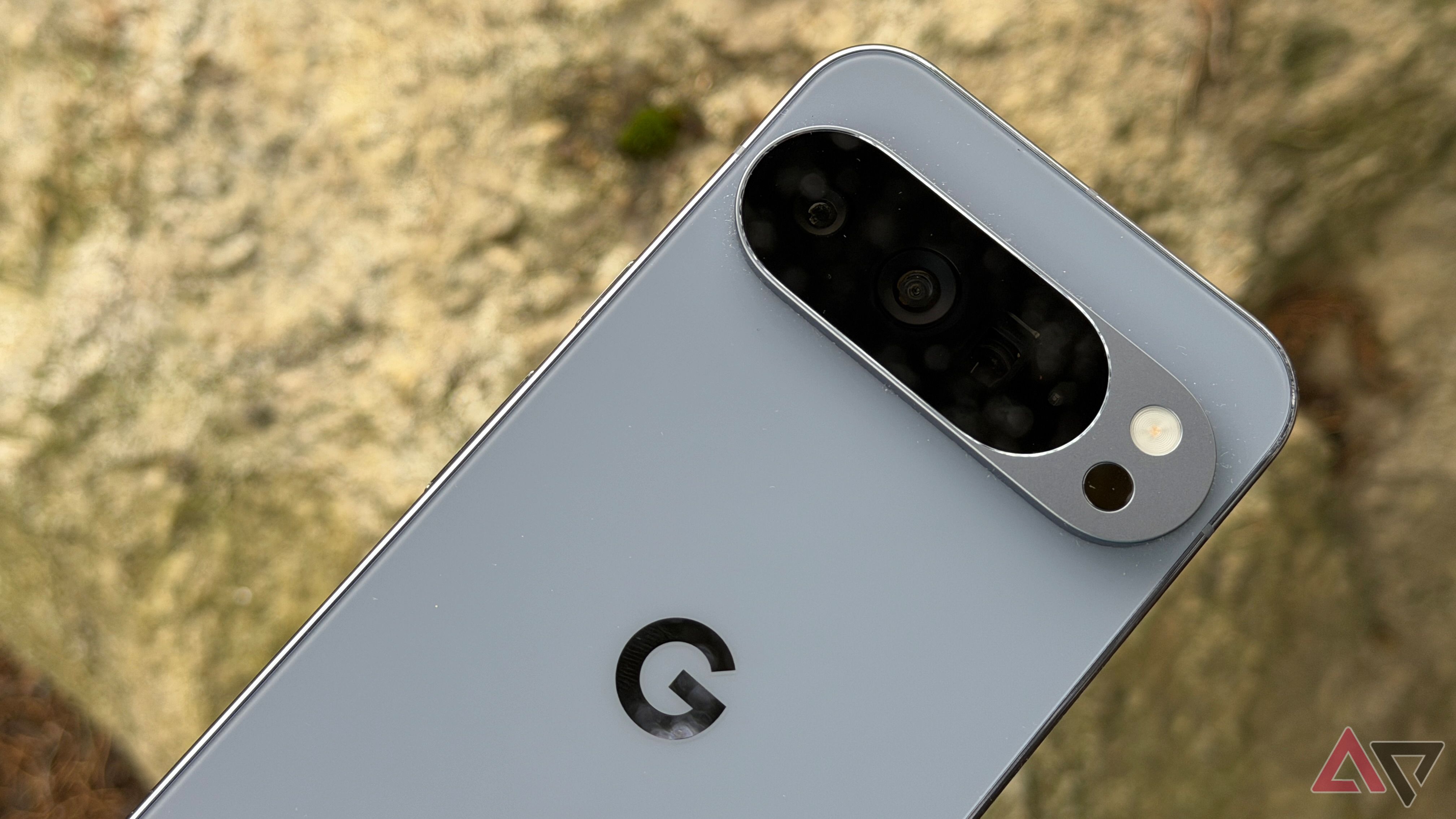
For years, consumers have been drawn to Google Pixel phones primarily because of their exceptional camera systems and user-friendly Pixel UI. Although the lineup has remained largely unchanged in terms of hardware, Google's Pixel devices have consistently excelled in the camera department. However, recent observations suggest that Pixel devices' real standout feature may not be their camera hardware after all. Instead, it's the phone's on-device AI processing that sets it apart.
Google initially introduced a significant camera upgrade with the Pixel 6 in 2021, opting for a larger, higher-resolution 50MP primary sensor. Subsequent iterations have also seen modest improvements. Despite the presence of great cameras on many Android phones, Pixels are recognized for providing a dependable imaging experience. Using a Pixel ensures that you'll capture high-quality pictures consistently, regardless of lighting conditions, scenarios, or subjects.
The author's perspective changed after spending a couple of years away from the Pixel lineup and testing other high-end Android devices. Their findings revealed that while Pixel cameras are impressive, the real standout feature is the on-device AI processing. This processing powers various AI and machine learning features, which run directly on the device rather than relying on cloud processing like many other Android phones.
For instance, Google's voice typing feature in Gboard is notably superior on Pixels. It provides instant, smooth conversion of speech to text, even supporting advanced voice typing commands like inserting emojis or clearing text. The convenience doesn't stop there; Gboard can automatically add punctuation and send messages upon verbal command. Similarly, Pixel 9 and newer models utilize on-device AI for Call Notes, which automatically transcribes calls and generates summaries of the critical points and next steps.
Pixel's Recorder app also leverages AI processing to offer near real-time transcription with speaker detection and automated labels. Magic Cue is another innovative feature that utilizes on-device AI, pulling up relevant information like flight details or reservation dates during conversations. These features, which include Call Screening, Pixel Studio, Pixel Screenshot, Now Playing, Live Caption, and Smart Reply, demonstrate the significant role on-device AI processing plays in enhancing the Pixel user experience.
While Samsung also employs on-device AI for certain Galaxy AI features, Google's implementation on Pixel phones clearly surpasses the competition. As Google continues to integrate more AI features into Android, on-device processing will become increasingly crucial for real-time functionality. Given Google's control over the entire stack, Pixel phones are poised to benefit significantly from the growing importance of on-device AI.
Written by urgent.news from Android Police's reporting — not their text. Machine-written — may contain errors; check the original before relying on it.