Studie: So würden Haushalte von einer Stromsteuersenkung profitieren
Die Bundesregierung denkt darüber nach, die Stromsteuer für alle zu senken. In einer Studie hat das Vergleichsportal Verivox nachgerechnet, welche Wirkung das auf die Stromrechnung hätte.
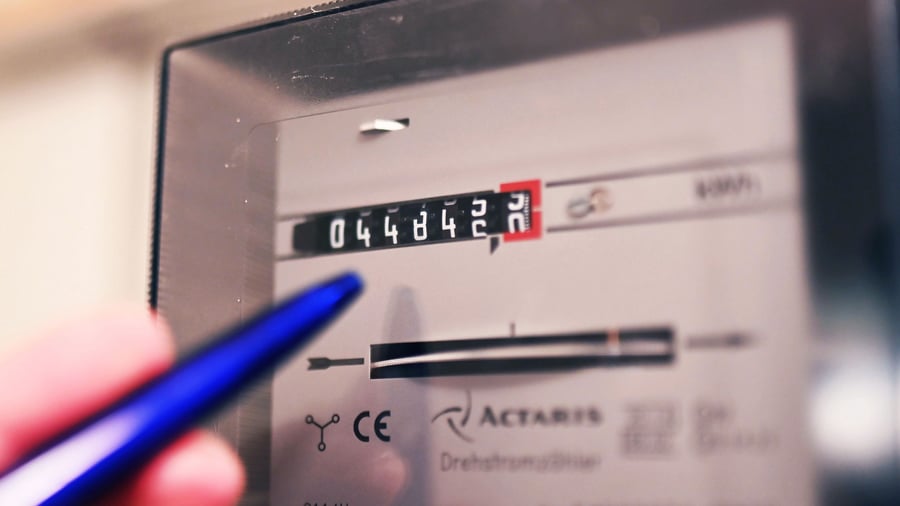
A study by Verivox reveals that a nationwide reduction in the electricity tax, sought by Chancellor Friedrich Merz of the CDU, could provide significant relief to household budgets. According to Verivox's calculations, the tax cut would decrease private household electricity bills by approximately 7%, equating to around three billion euros in annual savings for all homes.
This reduction would bring the average electricity bill for German households down to about 32.04 cents per kilowatt-hour, roughly 2.32 cents less than the current rate of 2.05 cents.
Verivox based its calculations on an average electricity price of 34.36 cents per kilowatt-hour (including the base price) and a total annual consumption of about 130 billion kilowatt-hours for all German households. In 2025, the Arbeitsgemeinschaft Energiebilanzen reported a consumption figure of 132.5 billion kilowatt-hours. Merz announced that the CDU aims to promote the nationwide reduction of the electricity tax to the European minimum level, which stands at 0.1 cent per kilowatt-hour.
The coalition agreements between the Union and SPD initially reserved the tax reduction for certain economic sectors.
The study estimates that a household of three people with an annual consumption of 4,000 kilowatt-hours would receive an average relief of 93 euros annually. A couple with a consumption of 2,800 kilowatt-hours could expect a reduction of around 65 euros, while a single-person household with 1,500 kilowatt-hours of consumption might see a savings of about 35 euros.
Written by urgent.news from Handelsblatt's reporting — not their text. Machine-written — may contain errors; check the original before relying on it.