Singapore forms task force to strengthen defences against AI-enabled cyber threats
IMDA also launched the first version of a starter kit aimed at helping organisations test agentic AI systems for safety and reliability.
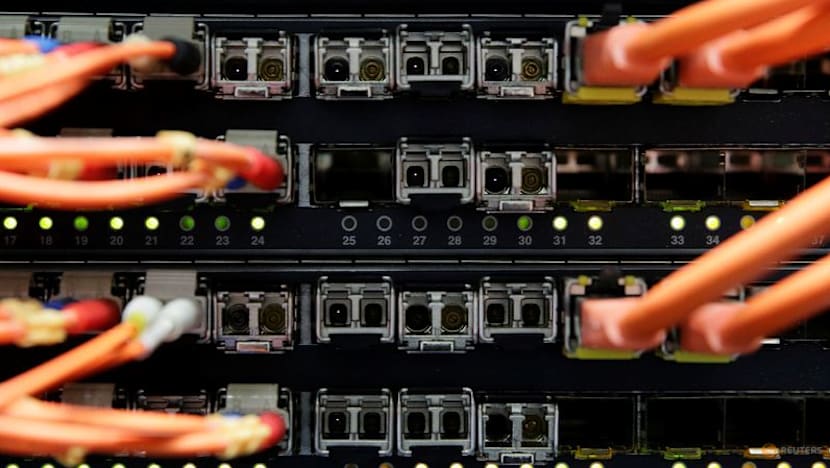
Singapore has established a task force of over 20 experts and industry leaders to bolster the country's information and communication technology (ICT) and media sector defenses against AI-enabled and AI-accelerated cyber threats. This Frontier AI Resilience and Security Taskforce (FAIRS) unites leaders from telecommunications, media, cybersecurity, and artificial intelligence sectors.
The FAIRS is set to release a report with practical guidelines and best practices in the first half of 2027. IMDA's chief executive, Ng Cher Pong, emphasized that AI's transformation of the cybersecurity threat landscape necessitates adapting security measures. He explained that the task force will explore ways to fortify networks and systems, segment them to prevent vulnerabilities, and enhance network visibility and response capabilities to keep pace with rapidly evolving threats.
The announcement follows Singapore's recent national cybersecurity strategy aimed at enabling quicker responses to AI-enabled threats through the progressive deployment of AI across national cyber defense operations. Additionally, IMDA unveiled a starter kit to aid organizations in testing agentic AI systems for safety and reliability. Unlike traditional generative AI, agentic AI systems can act on behalf of users, utilize tools, access external systems and sensitive information, and modify their environment.
When granting AI greater agency, organizations must ensure assurance over the exercise of this agency, according to Ng. In addition to evaluating whether an AI agent achieves the correct outcome, testing should also consider the tools used, accessed information, decision-making process, respect for permissions and boundaries, and the effectiveness of safeguards.
The starter kit outlines a four-step testing process, including identifying risks, designing realistic tests, analyzing logs, and continuously monitoring and retesting systems. It also encourages testing an agent's entire trajectory, including its reasoning and actions, rather than focusing solely on the final output. This living document will be continually updated and refined as testing methods and best practices evolve.
Written by urgent.news from Channel News Asia's reporting — not their text. Machine-written — may contain errors; check the original before relying on it.
This story
This is one outlet's version. Read the fullest account.