Ranking: Unterschätzt, aber dynamisch: Zehn Städte und Regionen, die derzeit gute Jobchancen bieten
Attraktive Jobangebote sind rar. Ein Ranking der Plattform LinkedIn zeigt, in welchen Regionen Arbeitsuchende dennoch gute Aussichten haben – abseits der großen Metropolen.
Ten cities and regions in Germany currently offer promising job opportunities, according to LinkedIn's "Cities on the Rise" report. The analysis is based on data regarding new hires, new job creation, and the influx of skilled workers across Germany. The report excludes metropolitan areas like Munich and Berlin with over a million LinkedIn members to focus on mid-sized and smaller urban centers.
Bremen ranks first on the list, despite having an unemployment rate over 11 percent, higher than the national average. The LinkedIn ranking does not consider the overall economic situation or unemployment rates but rather measures indicators of labor market dynamism, such as increased job postings, more job opportunities, and professional immigration.
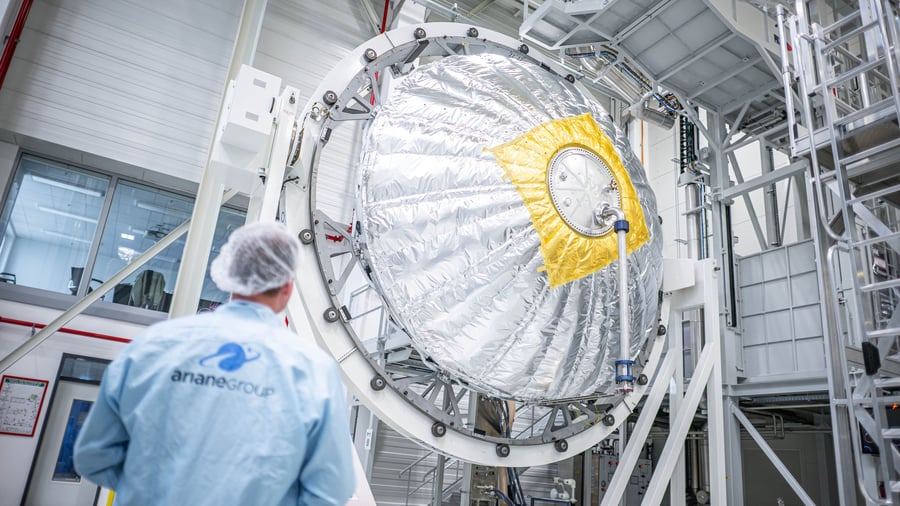
The city's growing strength lies in the aerospace sector, with companies like OHB SE, Rheinmetall, and Airbus Defence establishing headquarters there. Rheinmetall alone has advertised over 200 positions in the Hanseatic city.
Heilbronn climbed two places from ninth to second in the ranking. The city is expanding its science hub, with a new artificial intelligence innovation park planned to employ more than 5,000 professionals. Additionally, up to eight Fraunhofer centers intend to consolidate their activities in Heilbronn. Nearby the metropolitan region of Rhein-Neckar secured the third position.
Ludwigshafen, home to the DAX company BASF, with around 55,000 employees, including 33,000 in Ludwigshafen, also made the top ten. SAP's headquarters are also located in the region, employing about a quarter of the global 110,000 workforce. The south-western regions generally offer good job prospects.
In North Rhine-Westphalia, Münster, the university city, remains in sixth place. It benefits from steady population growth, with an annual increase of 0.4 to 0.6 percent, driven by the university. Münster also attracts many startups in digital economy, AI, and deep tech sectors. Düsseldorf improved its ranking, ranking seventh, with a high number of established companies like Vodafone and Rheinmetall having their headquarters in the city.
Additionally, Düsseldorf experienced a record number of startup formations. The Ruhr region secured the fourth position, benefiting from its role as the hub for the energy transition and hydrogen economy. Leipzig also made the top ten, driven by positive employment development and planned investments, totaling 1.3 billion euros in infrastructure and urban development in 2024.
Written by urgent.news from Handelsblatt's reporting — not their text. Machine-written — may contain errors; check the original before relying on it.
This story
This is one outlet's version. Read the fullest account.