My AI doppelganger tells me what to eat
This is Optimizer, a weekly newsletter sent from Verge senior reviewer Victoria Song that dissects and discusses the latest gizmos and potions that swear they're going to change your life. Opt in for Optimizer here. For the past 100 days or so, my mornings have had a new rhythm. When I wake up, the first […]
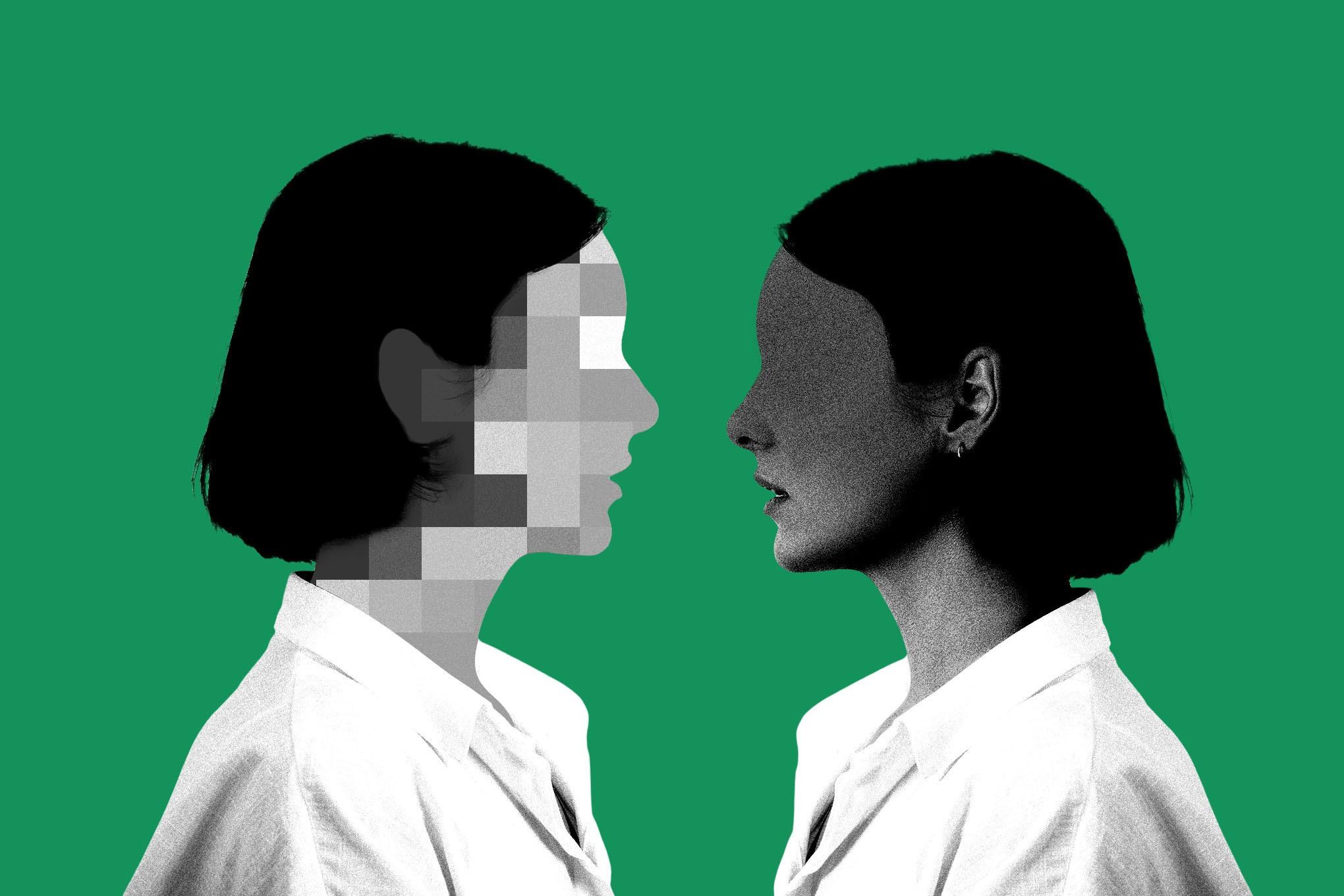
In a new weekly newsletter called Optimizer, Victoria Song explores how digital twins, AI-powered models of people built from various data points, are being used to manage personal health. Song shares her own experience of creating a metabolic twin through Twin Health, a program that requires 90 days of data collection from devices like a smart scale, smart blood pressure cuff, CGMs, and a visit to a lab.
After data collection, the twin is built and can predict how glucose levels will react to different foods. Song finds that her digital twin is relieved from having its own avatar, preferring the abstract color labels of red, orange, and green to indicate glucose reaction. This low-stakes version of personalized medicine could potentially help in predicting disease progression and implementing preventive care while minimizing adverse effects.
Written by urgent.news from The Verge's reporting — not their text. Machine-written — may contain errors; check the original before relying on it.