Methanemissionen: Energiepreise – EU-Kommission will Klimaregeln verschieben
In Brüssel werden Mittel gegen die ausufernden Energiepreise gesucht. Einen Weg sieht die Kommission darin, bestimmte Klimaregeln später anzuwenden. Was denkt Berlin darüber?
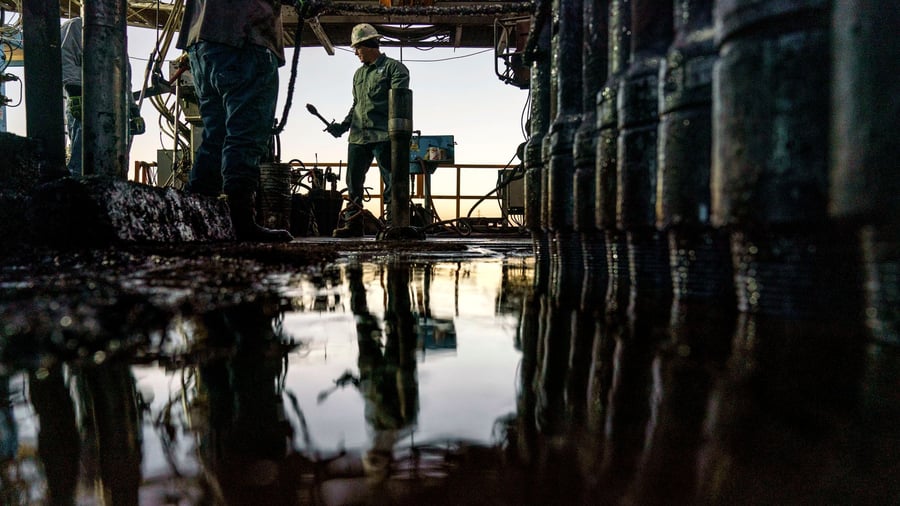
In response to the energy price crisis, the European Commission intends to implement certain climate protection rules for imported fossil fuels later than initially planned. This EU authority proposes that oil, gas, and coal importers only need to comply with EU climate protection regulations for the greenhouse gas methane at the beginning of 2028, one year later than originally scheduled.
This one-year postponement aims to avoid additional pressure on the security of supply for imported fossil fuels, stated the Commission. Methane, a greenhouse gas responsible for climate warming and air pollution, is produced in agriculture, landfills, and the oil and gas industries. Since 2024, the EU has had rules in place to reduce methane emissions from the energy sector, requiring operators of oil and gas facilities to regularly search for and repair significant methane leaks, and prohibiting venting or flaring, which releases methane into the atmosphere under certain circumstances.
By setting these regulations one year later in the midst of a crisis, the Commission claims it will save additional costs. However, this move will not affect the ambition level or the integrity and scope of the existing rules, thus reaffirming the European Union's commitment to reducing methane emissions. The European Union's environment minister, Carsten Schneider, emphasized the need to limit methane emissions as they are a crucial driver of climate change.
The EU countries and the European Parliament now need to discuss the official proposal. Energy Minister Katherina Reiche (CDU) showed openness to increased flexibility, having previously recommended Member States not to impose penalties on companies violating EU climate protection rules for methane emissions in the next three years.
Methane, according to the Federal Environmental Agency, is the second most significant greenhouse gas after carbon dioxide in terms of climate warming and air pollution. Although it remains in the atmosphere for a shorter time, it is more damaging than carbon dioxide.
Written by urgent.news from Handelsblatt's reporting — not their text. Machine-written — may contain errors; check the original before relying on it.