Märkte Insight: Günstig heißt nicht gut – Vorsicht vor vermeintlichen Schnäppchen am Aktienmarkt
Wer Aktien nur kauft, weil ihr Kurs gefallen ist, droht, in eine Falle zu tappen, warnt Handelsblatt-Redakteur Andreas Neuhaus. Für drei Bereiche gilt das aktuell besonders, zeigt eine Analyse.
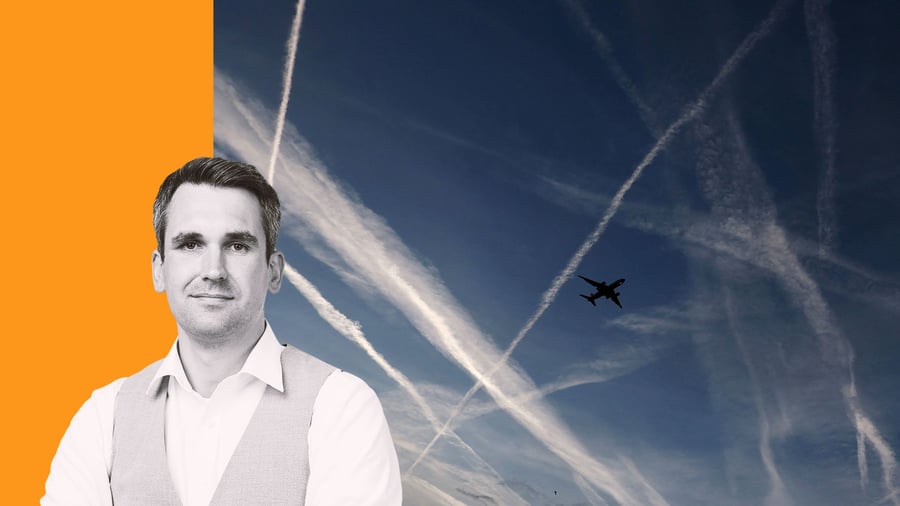
Lufthansa's stock has risen around 20 percent over a five-year period, which is not an impressive performance compared to the Dax's 60 percent gain since autumn 2021. One of the main cost factors in the aviation industry has been highly volatile and beyond management control: the price of fuel, or kerosene. Airline strategies for hedging against fluctuating commodity prices are closely guarded secrets.
However, a recent study by former airline finance chief David Kang provides rare insights and a sobering conclusion for passengers. Kang, who served as the financial director for Katar Airways from 2011 to 2013, discovered that classic hedging strategies often result in significant losses for airlines. These strategies involve buying derivatives or other financial instruments whose value rises when oil prices increase, allowing airlines to offset increased buying prices for kerosene.
However, these strategies overlook the correlation between oil prices and demand for flight tickets, which both depend on the economic cycle. Kang explained, "When oil is expensive, the global economy is usually strong, and passengers fly." While hedging might generate profits for airlines, it doesn't help during recessions when oil prices drop, as airlines face high losses in hedging and declining bookings and revenue.
A Kerosinpreiszuschlag, or kerosene price surcharge, can help airlines mitigate costs during high oil prices. Katar Airways introduced such a surcharge in 2011, as did Lufthansa. Kang's analysis shows that airlines can protect themselves against rising prices by hedging only against very high and very low prices using complex financial instruments.
This strategy yielded a $130 million profit for Katar Airways within five months. For airline shareholders, this is good news, but not for customers. When an airline CEO says the company is hedged against high prices, they mean passengers will bear the additional costs. Airlines are testing the pain threshold with high ticket prices.
Written by urgent.news from Handelsblatt's reporting — not their text. Machine-written — may contain errors; check the original before relying on it.
This story
This is one outlet's version. Read the fullest account.