Limiting warming to 1.8 degree C could prevent loss of 1.89 billion years of healthy life: Analysis
The commission put forth a framework to inform action before harm becomes embedded -- create and fund threat-ready health systems, increase investment in innovation and reassess threats regularly and independently
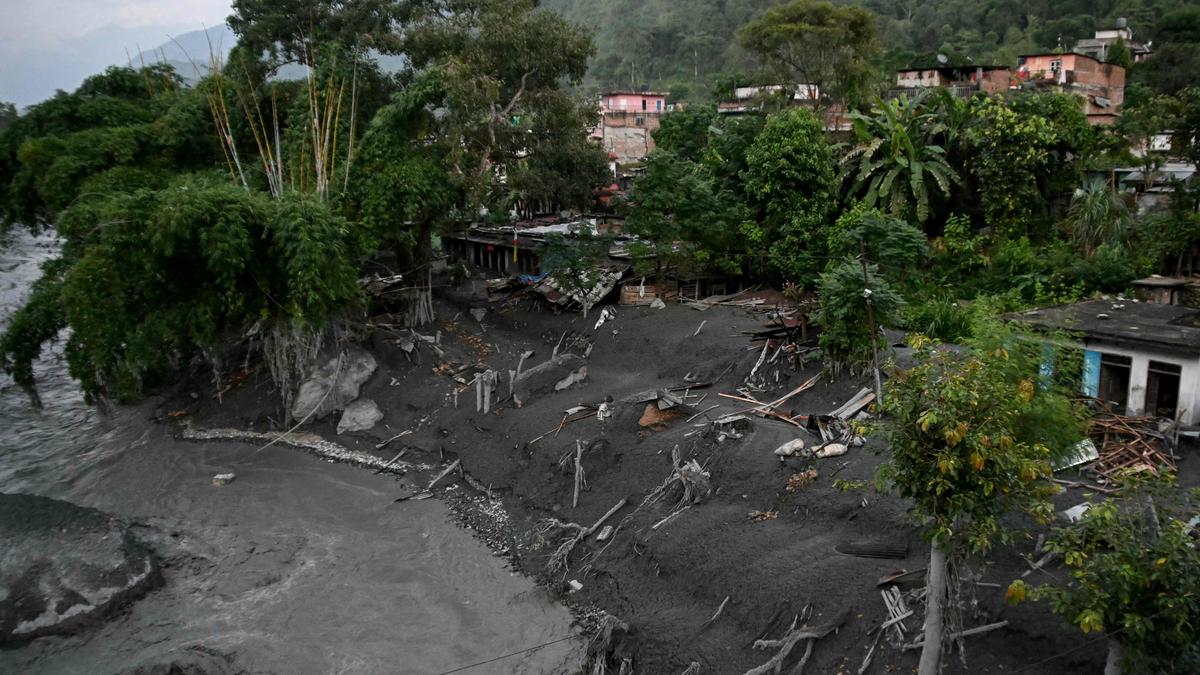
Limiting global warming to approximately 1.8 degrees Celsius, compared to allowing it to reach 4.4 degrees Celsius, could potentially prevent the loss of 1.89 billion years of healthy life due to factors like extreme heat and air pollution, according to a recent Lancet Commission analysis. Researchers warned that the actual burden could be even more severe if emissions are not significantly reduced, as these health losses would continue to accumulate beyond 2100, exacerbating other risks such as migration that have not yet been fully accounted for.
The Lancet Commission on 21st Century Global Threats to Health, presented at the World Health Summit 2026 in Berlin, Germany, examined hundreds of potential threats and identified 17 that pose the greatest danger to human health and survival between 2025 and 2100. These interconnected threats, spanning diseases, social and economic conditions, environmental changes, technology, and conflict, could collectively result in tens of billions of years of lost health if current trends persist.
Every country faces significant risks, with those who have limited resources and belong to marginalized communities bearing the greatest burden due to existing inequalities. The two threats with the highest potential for extinction, despite their low likelihood of occurrence, are nuclear conflict and the malicious use of artificial intelligence.
The commission emphasized that urgent action is crucial, as decisions made by leaders today will determine the health and well-being of future generations.
Written by urgent.news from The Hindu - Sci-Tech's reporting — not their text. Machine-written — may contain errors; check the original before relying on it.