Inflation worsened last month to 3.7% as midterm elections near
Gas, clothes, and air fares got more expensive, evidence that rising prices remain an economic challenge just a few weeks before the midterm elections that have focused heavily on issues related to affordability.
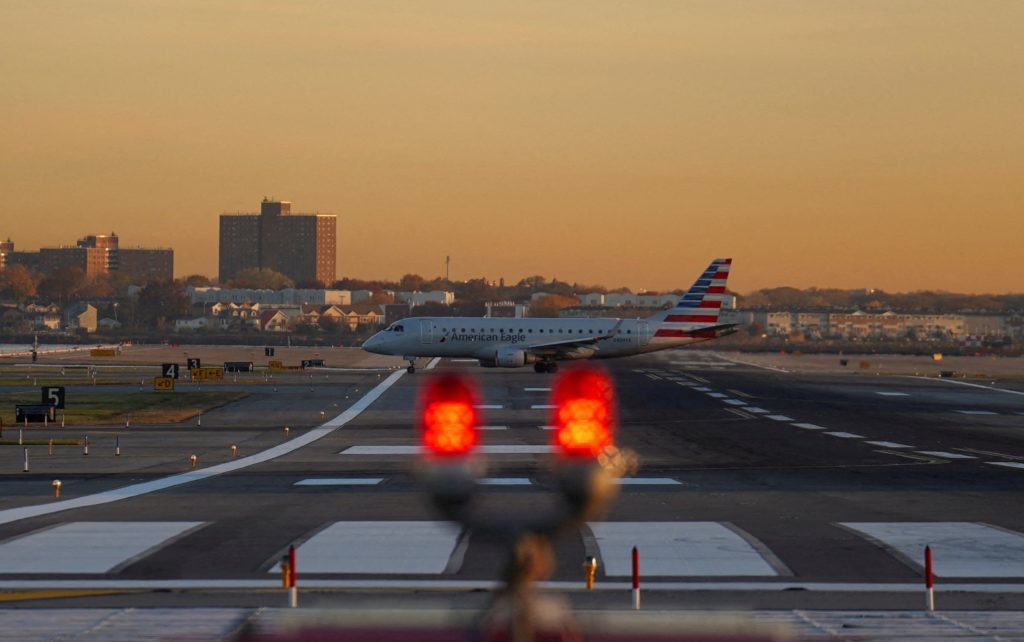
U.S. inflation rates accelerated in September to 3.7% compared to a year ago, according to the Labor Department, as gas, clothes, and air fares became more expensive. This marks a significant increase from 3.4% in August, with a notable 0.6% rise from the previous month. The figures highlight the enduring effects of the Iran war on gas prices and inflation's persistent nature, which has risen since the war began in late February, despite it having fallen sharply from a 9.1% peak in 2022.
Factors beyond gas prices, such as increased investment in data centers and AI, have contributed to higher prices for computer chips and related consumer electronics. Excluding food and energy categories, core prices rose 2.6% in September from a year ago, up from 2.4% the prior month, and climbed 0.3% from August to September. If this pace continues, it would significantly exceed the Federal Reserve's 2% target.
These inflationary pressures have posed political challenges for Republicans in Congress and troubled the Federal Reserve, which is mandated to maintain stable prices. A recent AP-NORC poll found that just 17% of U.S. adults approve of President Trump's handling of the cost of living issue, with only 26% approving of his overall economic management, a new low.
The Federal Reserve is closely monitoring inflation data to decide whether to raise short-term interest rates further, with Fed Chair Kevin Warsh expressing concern that inflation isn't moving fast enough to reach the central bank's target. The Fed increased rates for the first time in three years to around 3.9%. However, some Fed officials believe the bank can await another rate hike.
The Fed is set to discuss its next steps on October 27-28, with many Wall Street analysts expecting either no action or another rate increase in December. The Fed aims to curb spending and growth by raising borrowing costs, though supply shocks like the Iran war's impact on oil and gas supplies and higher interest rates cannot alleviate these bottlenecks.
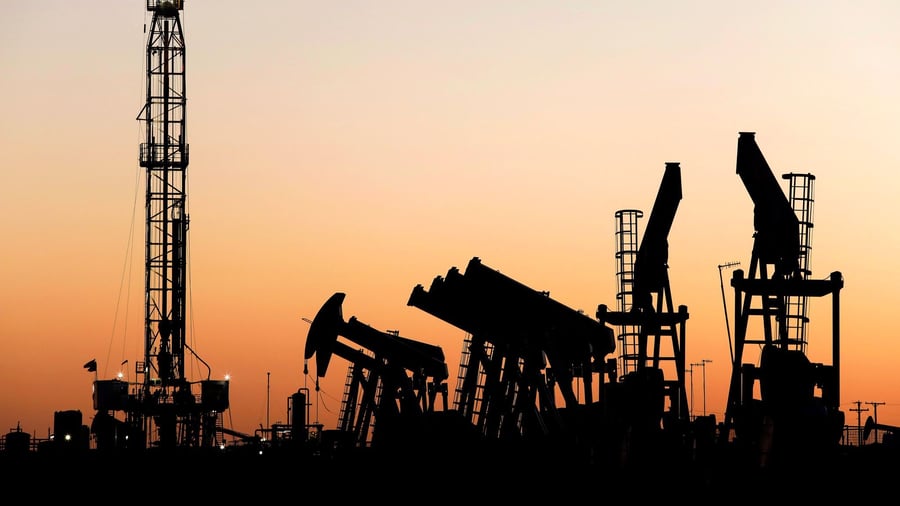
Gas prices soared by more than 9% from August to September, significantly impacting consumer sentiment and leading businesses to raise prices for goods such as snacks and electronics.
Rewritten by urgent.news; may contain errors — check the original.
Sources: pbs.org · globalnews.ca
This story
This is one outlet's version. Read the fullest account.