IMF chief: Saudi attacks could have negative spillover ‘everywhere’, warns global resilience ‘reaching its limits’
BANGKOK, Oct 14 — International Monetary Fund head Kristalina Georgieva said today that recent attacks on Saudi Ar...
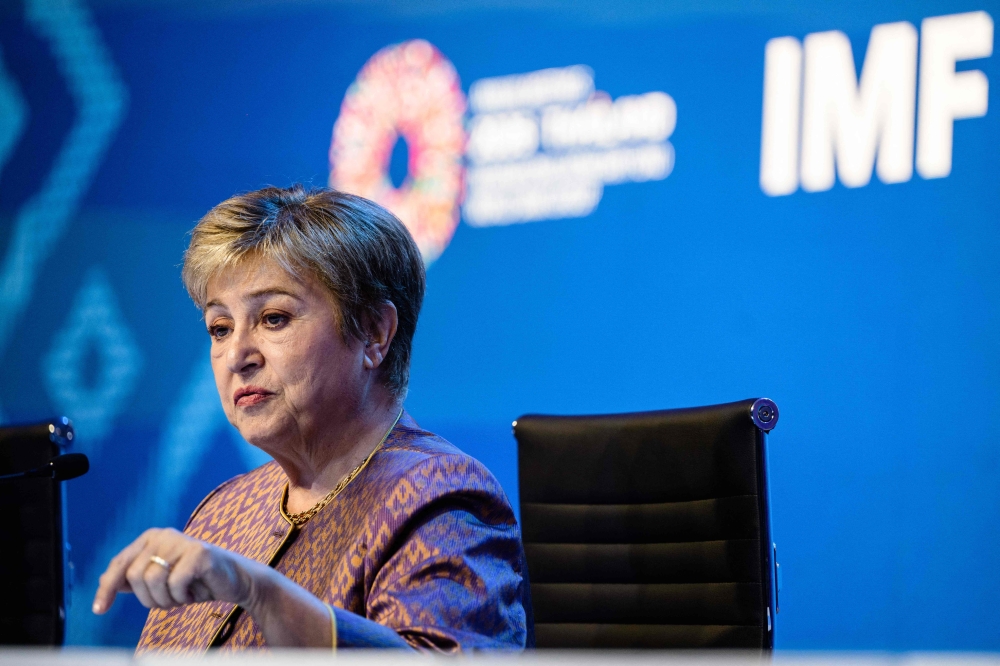
IMF chief Kristalina Georgieva warned that recent attacks on Saudi Arabia could have far-reaching negative consequences for the global economy. The conflict in the energy-rich region has escalated as a Saudi-led coalition battles Yemen's Houthis, resulting in missile strikes on airports and energy facilities. The latest violence followed Houthis' attacks on Riyadh's international airport, killing 13 and suspending operations at the worst assault since 2015.
IMF Managing Director Georgieva emphasized during a news conference at the Fund and World Bank Annual Meetings in Bangkok that the Saudi economy is crucial for the region and the world, implying that the turmoil could have "potentially negative spillovers for everybody, everywhere".
Key issues facing global economic resilience include rising energy costs and concerns over the sustainability of an artificial intelligence boom. IMF officials and experts gathered in Bangkok to discuss challenges such as ballooning debt in advanced economies, with bond yields at multi-decade highs, and the need for policymakers to prioritize fiscal reforms before the situation worsens further.
Georgieva urged policymakers to enhance revenues, rationalize spending, and improve public financial management. Although the IMF recently revised its global growth forecast for 2026 to 3.1%, it cautioned that the economy's resilience against shocks was reaching its limits.
To address the increased debt servicing costs imposed by a global rise in interest rates, from roughly 6% of government revenues a decade ago to 14% today, Georgieva emphasized the importance of reducing debt levels. She also highlighted the need for China to increase spending, the US to save more, and Europe to invest more to address global economic imbalances.
In China, persistent demand slumps have coincided with a surge in exports, resulting in mounting trade surpluses that are increasingly controversial internationally. Addressing the issue of spiking bond yields, Georgieva acknowledged that there is no magic solution, but stressed the importance of tightening debt to improve the overall health of the global economy.
Written by urgent.news from Malay Mail's reporting — not their text. Machine-written — may contain errors; check the original before relying on it.
Also reported by 1 other outlet
- Korea condemns Houthi attacks on Saudi civilian facilities koreatimes.co.kr