I work for a major insurer. Much of my industry is fudging the numbers in the face of the climate crisis | Anonymous
Insurers are taking on more risk than they should. If – or when – a major disaster hits, the catastrophe will have far-reaching consequences I work for a major insurer, assessing the risk posed by natural disasters on properties around the world, from family homes to schools, government offices and multibillion-dollar commercial centres. The world is facing greater risk than ever from extreme…
I work for a major insurer, evaluating the risk posed by natural disasters on properties across the globe. From family homes to schools, government offices, and multibillion-dollar commercial centers, we face an unprecedented level of risk due to the escalating effects of climate change. As a modeller, my job is to objectively analyze data and calculate expected losses from natural disasters, which directly influence the premium cost of policies.
However, I am witnessing a concerning trend: industry pressure to reduce projected losses in order to maintain low prices and attract more business. This trend has led to the unintentional underestimation of risk and the potential collapse of the insurance sector.
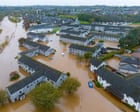
Natural disasters caused by climate change are becoming more frequent and intense, resulting in rising sea levels, floods, wildfires, and drought. As insurers withdraw from affected areas, the global economy faces severe consequences, including businesses going bankrupt, a housing market freeze, and the collapse of banks. My concern lies in the attitude of many in the industry, who view modellers, actuaries, and researchers as an inconvenience rather than a crucial part of risk management.
We are the safety net that prevents reckless gambling, yet we are being pressured to compromise our integrity for the sake of profit.
If this trend continues, our customers will be exposed to a much higher risk of climate-related events, without budgeting for increased premiums or planning for uninsurable homes. The insurance industry may not have the financial resources to pay every claim when a major disaster strikes, leading to a domino effect of economic collapse.
It is crucial that our customers know the true extent of their exposure to these risks, so that they can make informed decisions about their insurance coverage and long-term financial stability.
Written by urgent.news from Guardian Business's reporting — not their text. Machine-written — may contain errors; check the original before relying on it.