How bad has the ‘cost of living crisis’ really been?
The 'cost of living crisis' has become a well-worn phrase over the last four years, but what do the numbers actually say, asks Paul Ormerod.
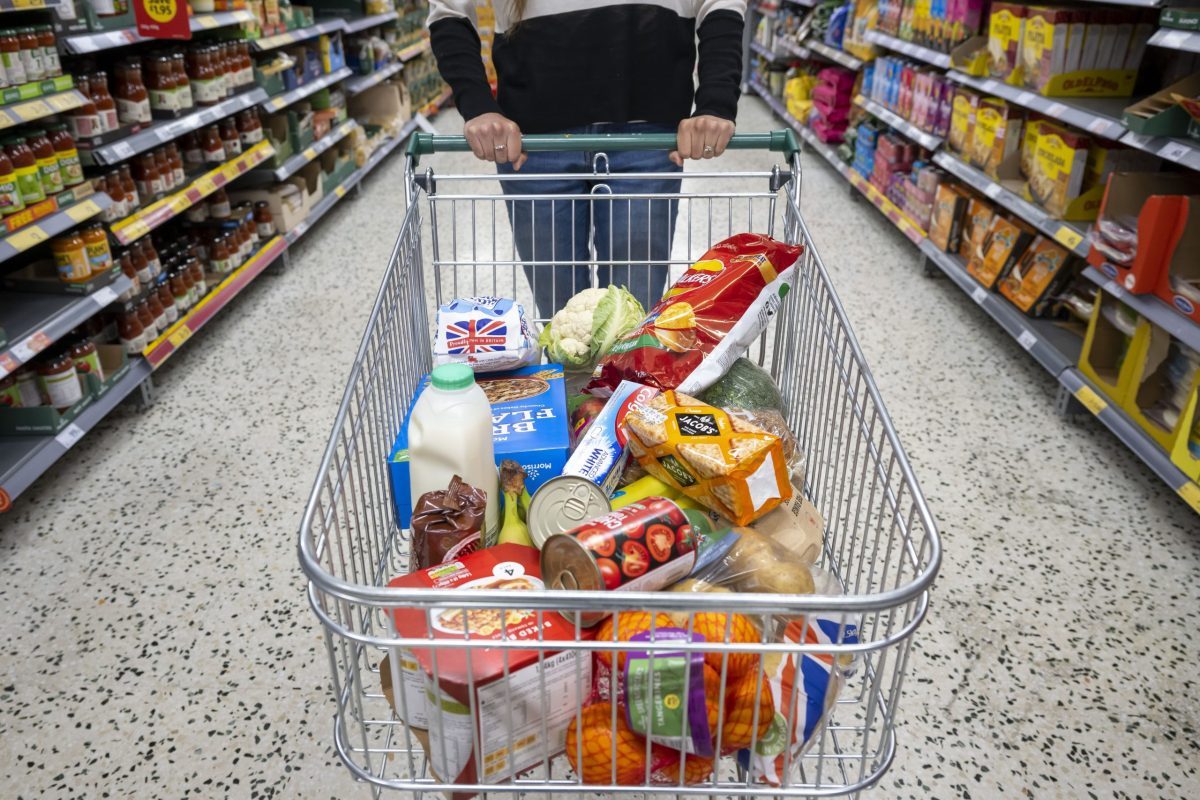
The phrase "cost of living crisis" has gained prominence over the past four years, but the actual impact on households is not as dire as it seems, according to Paul Ormerod. During the energy price and inflation shocks of 2022/23, the term experienced a surge in search volume on the internet but has since declined steadily. Politicians continue to reference the issue, with phrases like "cost of living," "living costs," and "financial strain" frequently appearing in their speeches.
Despite the challenges, average earnings have increased by 1.4% annually since mid-2023, a modest improvement compared to the stagnant growth of the 2010s when real earnings remained nearly stagnant. Households have managed to maintain a substantial savings rate of 9% of disposable income and have been actively repaying debt. The overall financial health of the household sector remains robust, with fewer households facing mortgage renewals than previously experienced during the pandemic.
However, the concerns lie beneath the surface. Mortgage payments for around 150,000 households are expected to rise in the coming years, and the government's cautious approach to public sector pay settlements has widened the pay gap between the private and public sectors. This gap has persisted, leading to a decline in real earnings growth in the private sector.
Even with the current inflation rate above 3%, the negative real earnings growth in the private sector indicates that the cost of living crisis may resurface this winter.
Written by urgent.news from City AM's reporting — not their text. Machine-written — may contain errors; check the original before relying on it.