GRS perlu atur strategi tambah kerusi pada PRU16
Gabungan itu perlu menang lebih enam kerusi Parlimen lagi untuk capai sasaran dalam PRU akan datang.
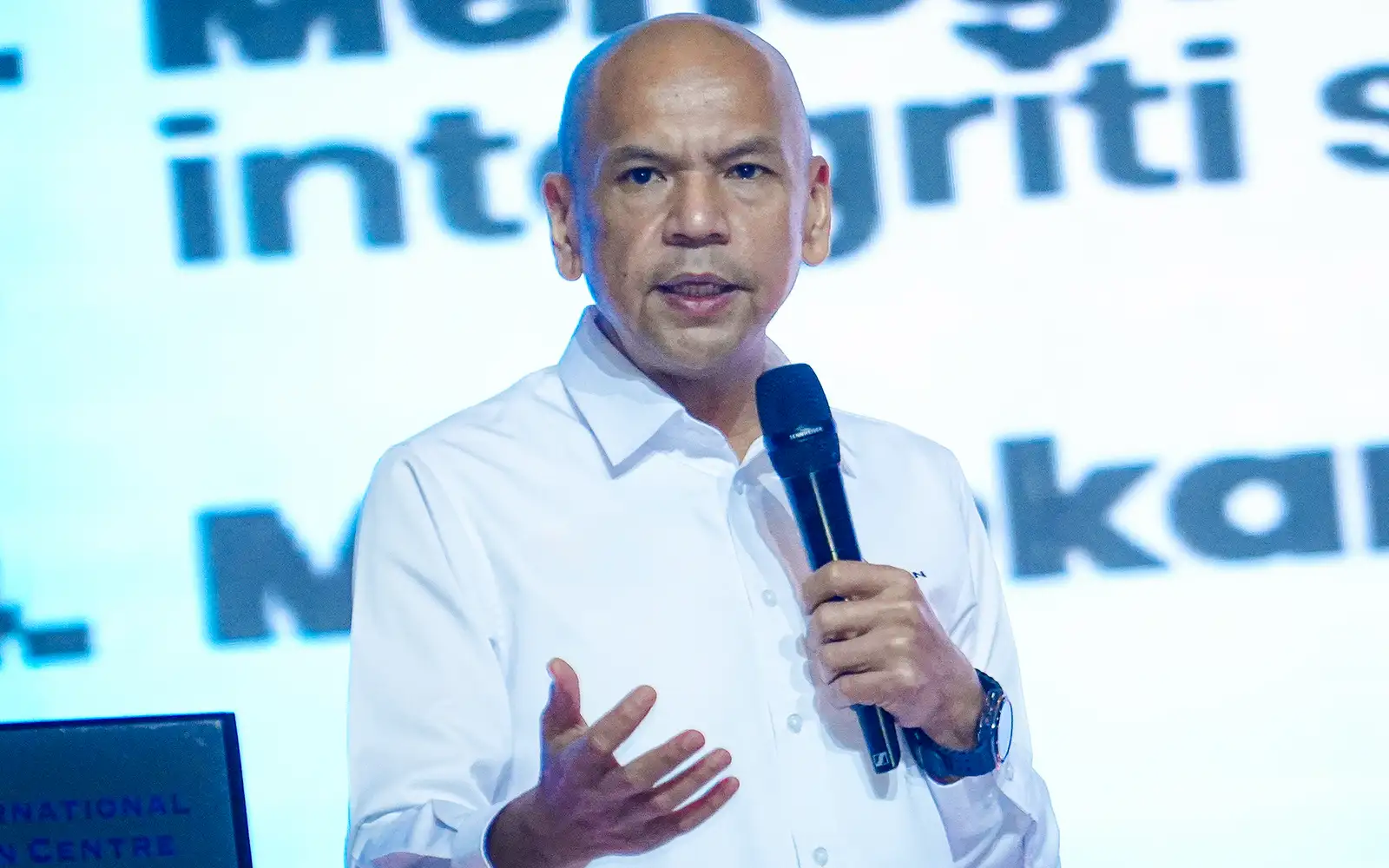
Setiausaha Agung GRS Armizan Mohd Ali revealed that simulations based on the results of the PRN Sabah 2025 indicated that the coalition had the potential to win over 15 parliamentary seats. While the party aims to secure several parliamentary seats controlled by their own, analysts cautioned that such aspirations may depend on the electoral alliance and their ability to retain existing seats.
Armizan previously noted that GRS had won six out of 25 parliamentary seats in Sabah during PRU15, including Papar, Sipitang, Ranau, Keningau, Batu Sapi, and Tawau. Political analyst Awang Azman Pawi from the University of Malaya stated that GRS has reasons to be optimistic due to their strong performance in PRN, which showed growing support across urban, rural, and coastal areas.
Awang also highlighted that the inclusion of Upko within GRS has further expanded the base of support, particularly among Kadazandusun-Murut voters and mixed areas. The main battleground for GRS, according to Awang, is Kudat, Kota Belud, Beaufort, Kimanis, Beluran, and Kota Marudu - constituencies currently held by their opponents.
GRS could potentially win Banggi, Pitas, and Tanjong Kapor, three out of four DUN seats in the area during the upcoming PRN, he added. Currently, Kudat is held by independent candidate Verdon Bahanda, who is considering joining the Barisan Nasional (BN) seriously. Kota Belud, a Heritage seat, also holds potential for GRS if Upko joins the coalition.
The combination could unify their strength in Tempasuk with Upko's influence in Kadamaian. Beaufort, currently held by BN, is another promising target if GRS wins both DUN seats in the Kota - Klias and Kuala Penyu constituency during PRN 2025. GRS also controls all three DUN seats in Beluran - Telupid, Sugut, and Labuk, which gives them an advantage in their attempt to snatch the DUN seat from the Perikatan Nasional (PN).
In Kota Marudu, currently held by the Democratic Unity Party (KDM), GRS holds Matunggong and Tandek, while Bandau is represented by an independent candidate. In Kimanis, currently held by BN, GRS controls Membakut, while Warisan holds Bongawan. The tougher challenge lies in Kinabatangan and Libaran - both BN strongholds - which could be considered secondary targets, according to Awang.
However, GRS needs strong candidates and a favorable political landscape to snatch both seats. In Kinabatangan, GRS holds Kuamut, while BN holds Lamag and Sukau. In Libaran, GRS controls Sungai Manila, while Warisan holds Gum Gum and Sungai Sibuga. Nonetheless, Awang emphasized that GRS's priority should be retaining existing seats - particularly Ranau, Sipitang, Batu Sapi, and Tawau - which may be at risk due to the difference in voter patterns between PRN and PRU.
Collaboration with Bilcher Bala from Universiti Malaysia Sabah noted that seven parliamentary seats are held by BN and five by PH, both parties being allies in the state government led by GRS, creating a strategic dilemma for GRS. They suggested that collaborative electoral efforts between both factions could increase the number of seats GRS can win as part of the state government bloc, but warned that such an approach could also limit the number of seats GRS can contest and win on its own.
Gaining 10 to 12 seats on its own ticket appears easier if GRS agrees to a joint allocation of seats with BN and PH. However, to achieve 15 seats, GRS must either contest and win some BN and PH seats or secure the agreement for their allies to contest under a political umbrella, making their victory counted as a win for GRS's leadership bloc.
According to Bilcher, the first option risks splitting the vote and giving an advantage to Warisan, STAR, KDM, or independent candidates, while the second requires extensive consultations on leadership and seat distribution. Bilcher stated that GRS's target should be assessed not only based on the number of seats won directly but also on the broader state government bloc strength.
He also identified Tenom and Putatan as potential battlegrounds that GRS could potentially win. GRS won Kemabong, one of Tenom's two DUN seats, while Putatan won Tanjung Keramat, Warisan holds Tanjung Aru and Petagas, both represented by independent candidates.
Written by urgent.news from Free Malaysia Today's reporting — not their text. Machine-written — may contain errors; check the original before relying on it.
This story
This is one outlet's version. Read the fullest account.
- GRS perlu atur strategi tambah kerusi pada PRU16 freemalaysiatoday.com