Für Hecken, Bäume, Rasen: Minijobber für Gartenarbeit bringt nicht nur Steuervorteil
Wer seine Gartenhilfe als Minijobber anmeldet, kann einen Teil der Kosten von der Steuer absetzen. Was dafür notwendig ist und welche Vorteile beide Seiten durch die Anmeldung noch haben.
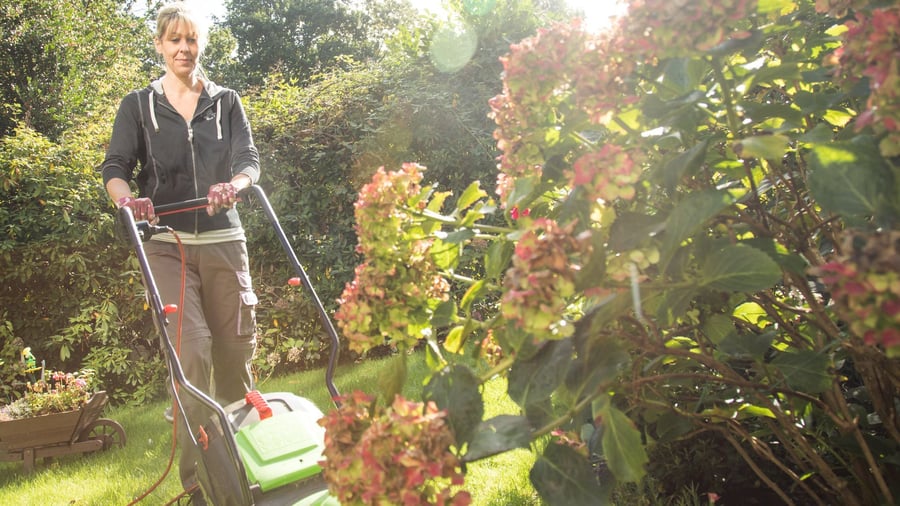
In the autumn, garden work such as mowing, cutting, and digging resumes in private homes. Those who lack time or desire to handle these tasks themselves can hire a gardener as a part-time job. This type of employment can be classified as a Minijob, allowing for potential tax benefits. To utilize this option, the private employer must register the Minijobber through the so-called Haushaltsscheck-Verfahren at the Minijob Central.
Required information includes personal data of the gardener, the wage amount, and employment details. The Minijob Central takes care of calculating and deducting taxes, as well as reporting to social insurance. Private households gain an additional benefit: they can apply for a 20% tax reduction on the benefits, up to a maximum of 510 euros per year, when filing their income tax returns.
The Minijobber also gains advantages, such as protection under statutory accident insurance and the possibility of accruing benefits through the pension insurance system. Both parties contribute to pension insurance contributions (5% for the employer and 13.6% for the employee). Those who prefer to pay the gardener in cash to avoid registration risk engaging in undeclared work, losing the tax benefit and insurance protection.
Failure to register the Minijob results in an illegal employment situation. The proper registration ensures legal organization of the work and the recovery of part of the costs through the tax return.
Written by urgent.news from Handelsblatt's reporting — not their text. Machine-written — may contain errors; check the original before relying on it.